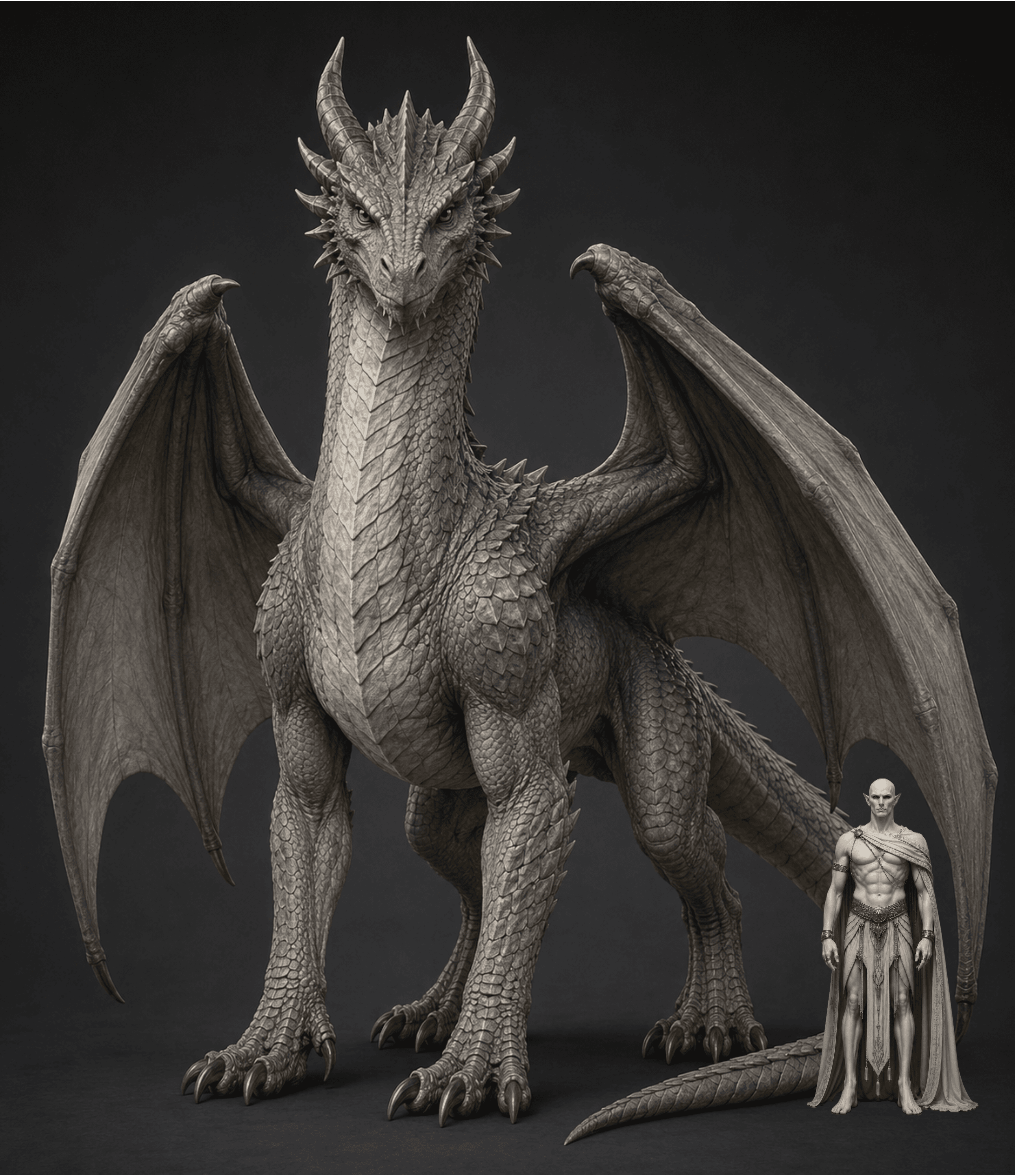
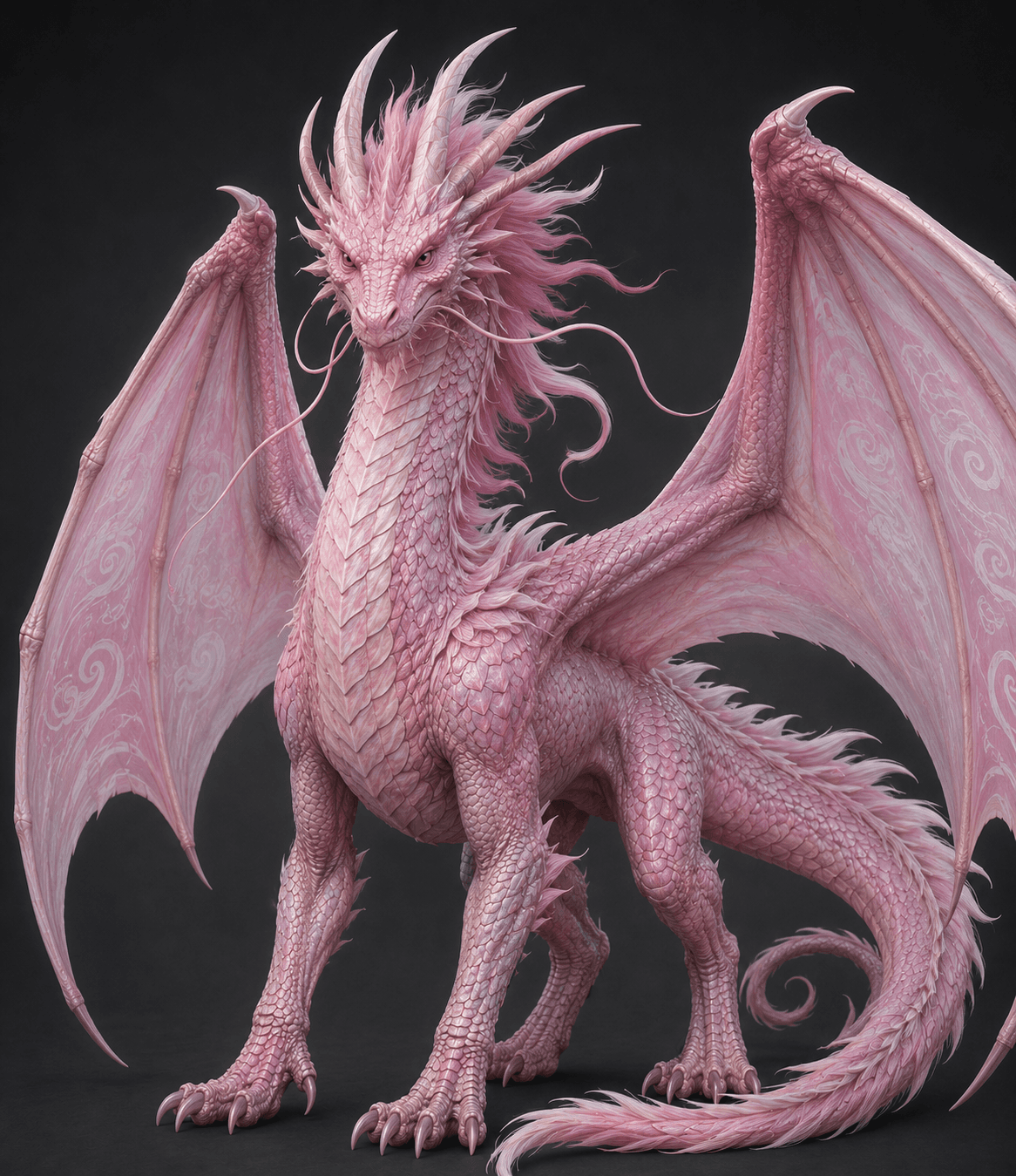
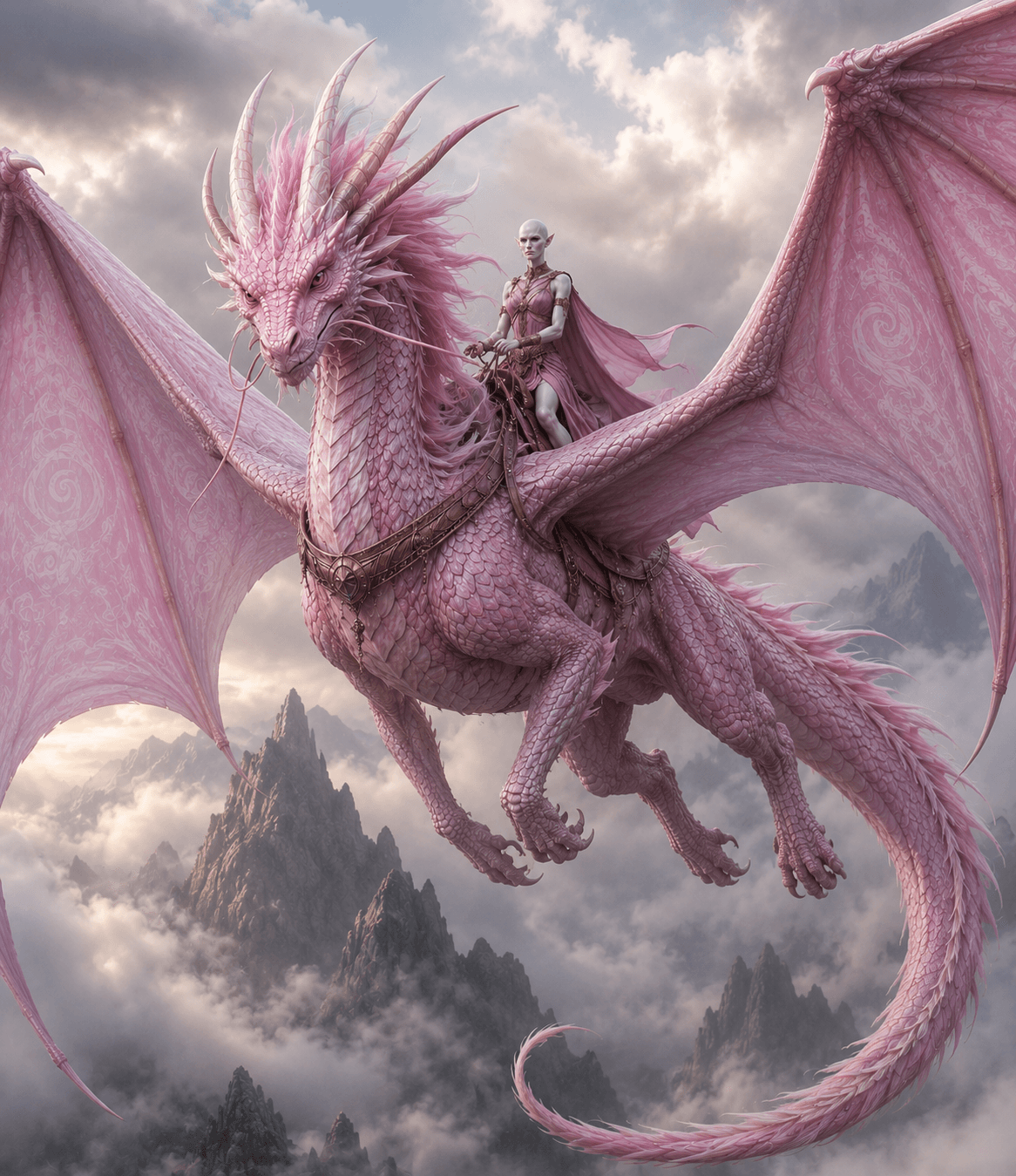
Dragons took on the traits of the domain of the warden they bonded to and eventually split into 8 distinct species.
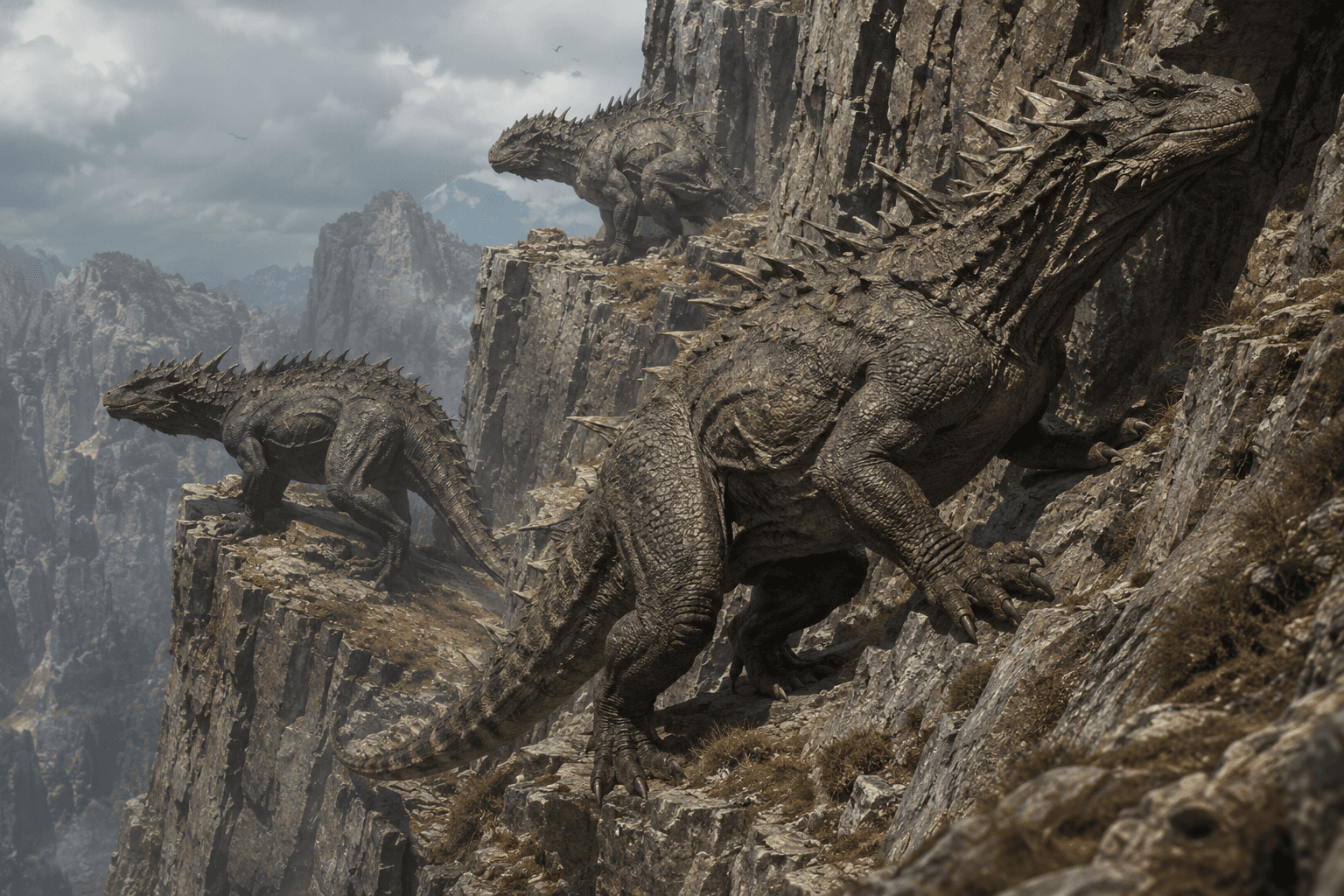
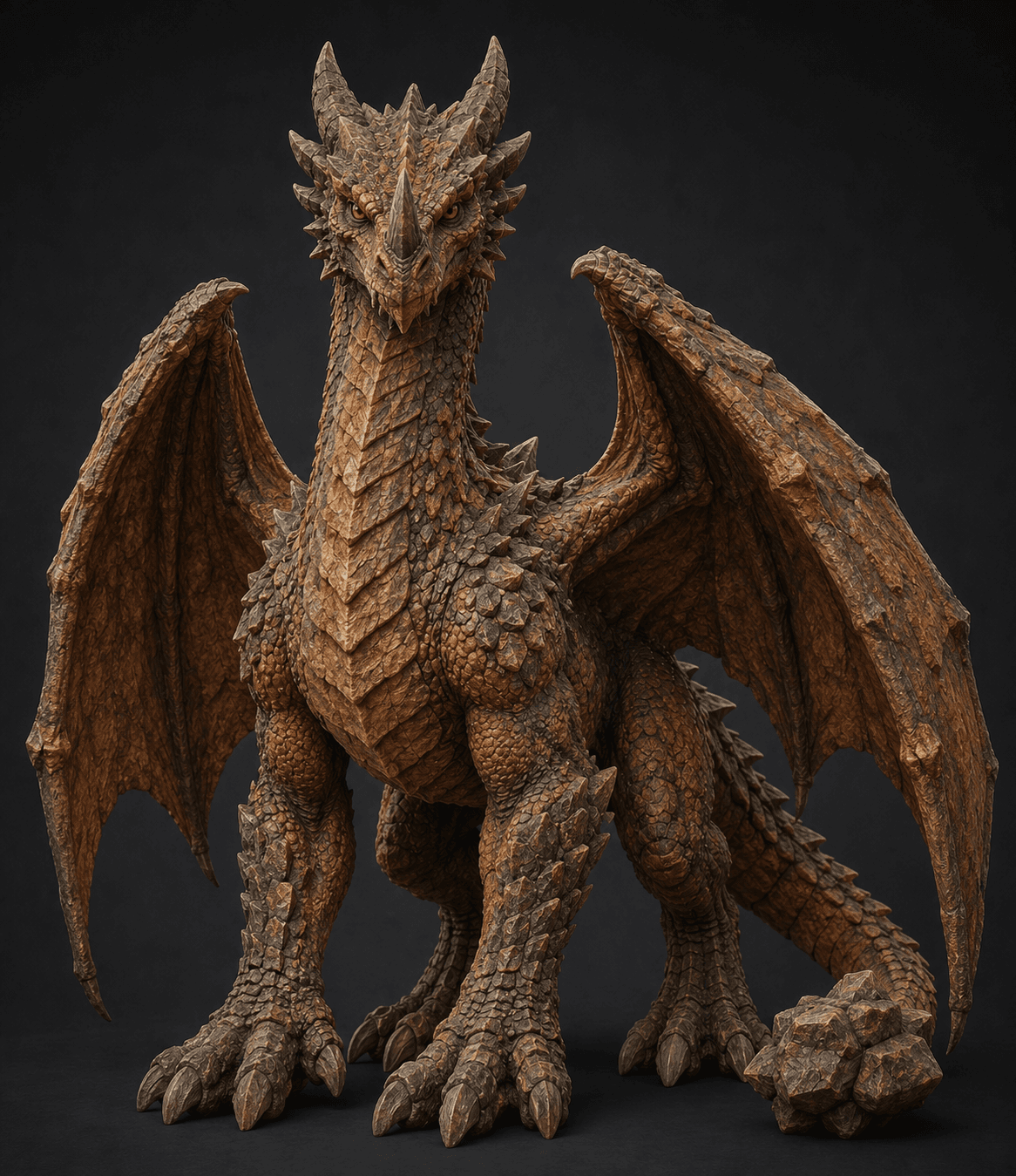
Cliff Drakes
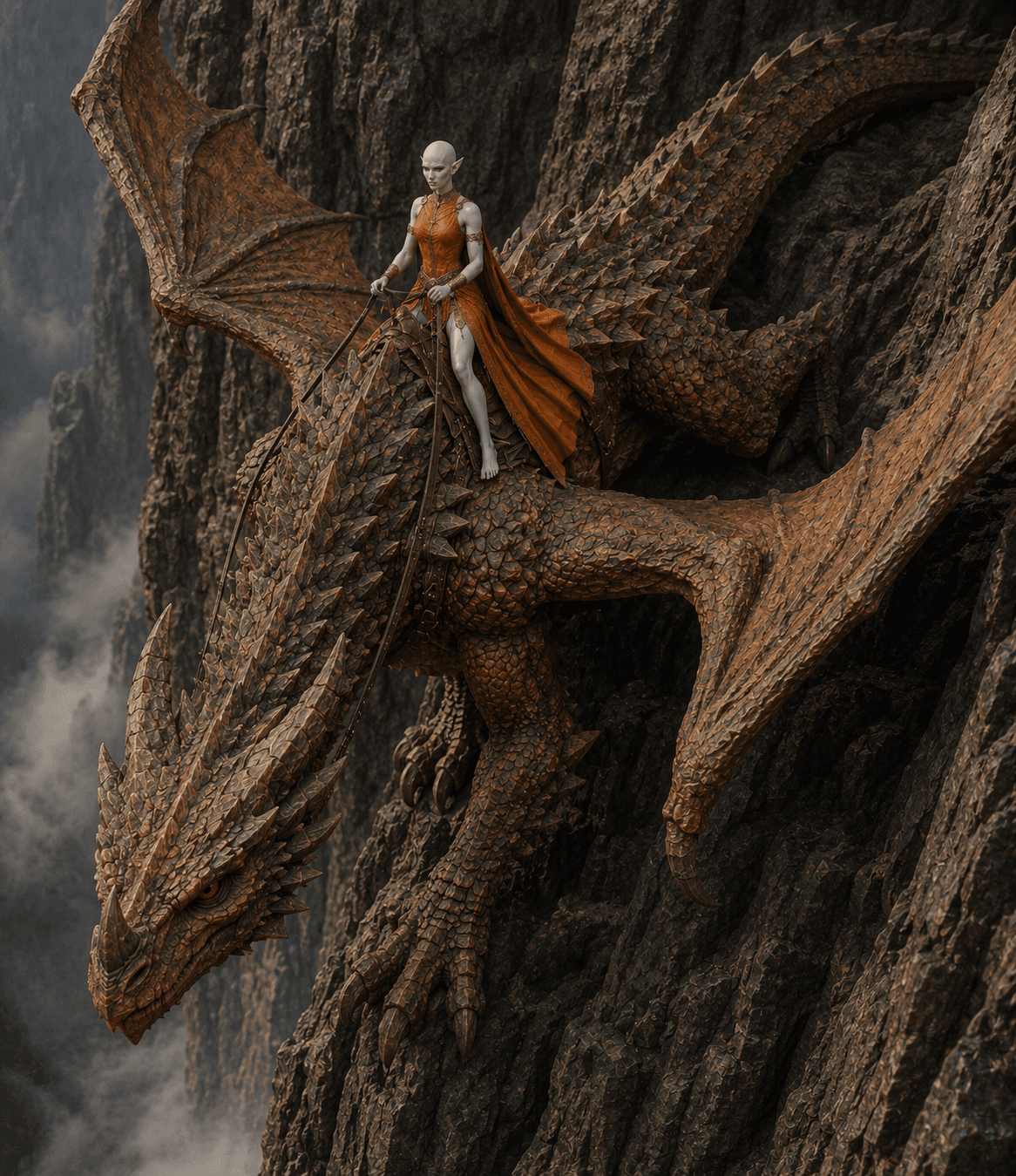
The Cliff Drake was among the largest and most dangerous predators on Riftmoor, a massive four-legged reptile renowned for its immense strength, thick scales, and remarkable climbing ability. Native to the cliffs and mountains surrounding modern Fairbarrow, Cliff Drakes were notoriously difficult to tame. Among the Wardens, ownership of such a creature became a powerful symbol of prestige, influence, and personal power. To command the world's greatest terrestrial predator was itself a statement of status.
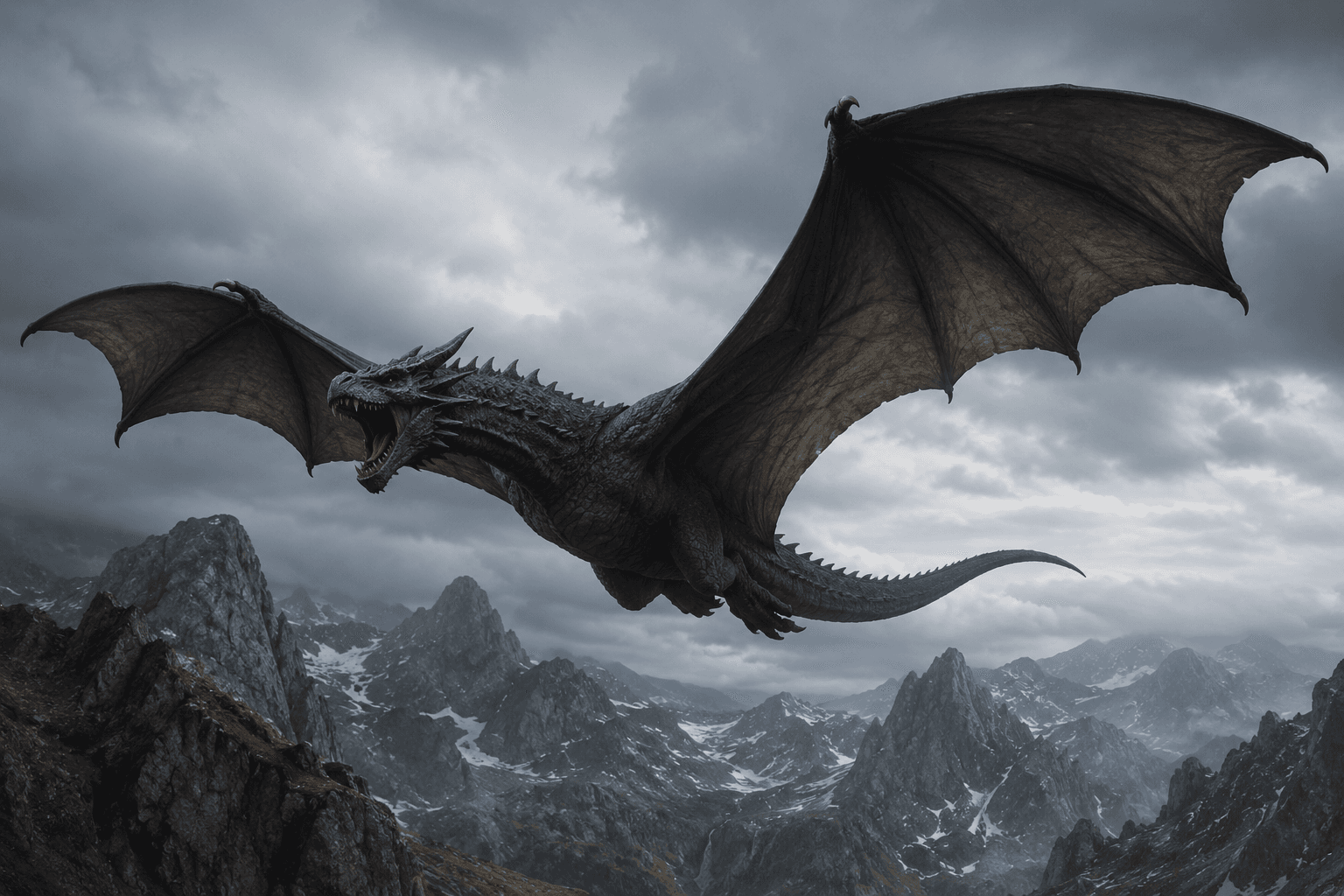
Wyverns
Seeking to create an equally magnificent companion capable of accompanying them through the skies, Imperial Bioweavers combined Cliff Drakes with giant bats through Bioweaving. Their goal was not war, but prestige—a creature worthy of carrying a Warden through the air. The result was the Wyvern, a powerful two-legged flying predator possessing wings in place of its forelimbs. Although successful as a new species, Wyverns proved too small and unstable to reliably carry a ten-foot-tall Warden. Nevertheless, they became formidable military beasts, serving as aerial predators and living weapons in their armies.
White Dragons
Unsatisfied, Imperial Bioweavers pursued further refinement. Believing the Wyvern lacked the extraordinary qualities that defined the Wardens themselves, the Wardens became the donors for the Bioweaving. Rather than merely improving the Wyvern, the experiment produced an entirely new creature. The first Dragons regained the powerful forelimbs of their Cliff Drake ancestors while retaining their wings, reached sizes capable of comfortably carrying Wardens, possessed immense physical strength, displayed unsettling semi-sapient intelligence, and wielded powerful void magic. These original White Dragons were thought to had communicated primarily through instinctive telepathy and formed strong bonds with individual Wardens, yet remained fundamentally independent. They were not bound to any one domain and due to how dangerous they proved to be, they presented almost as great a liability as an asset.
Elemental Dragons
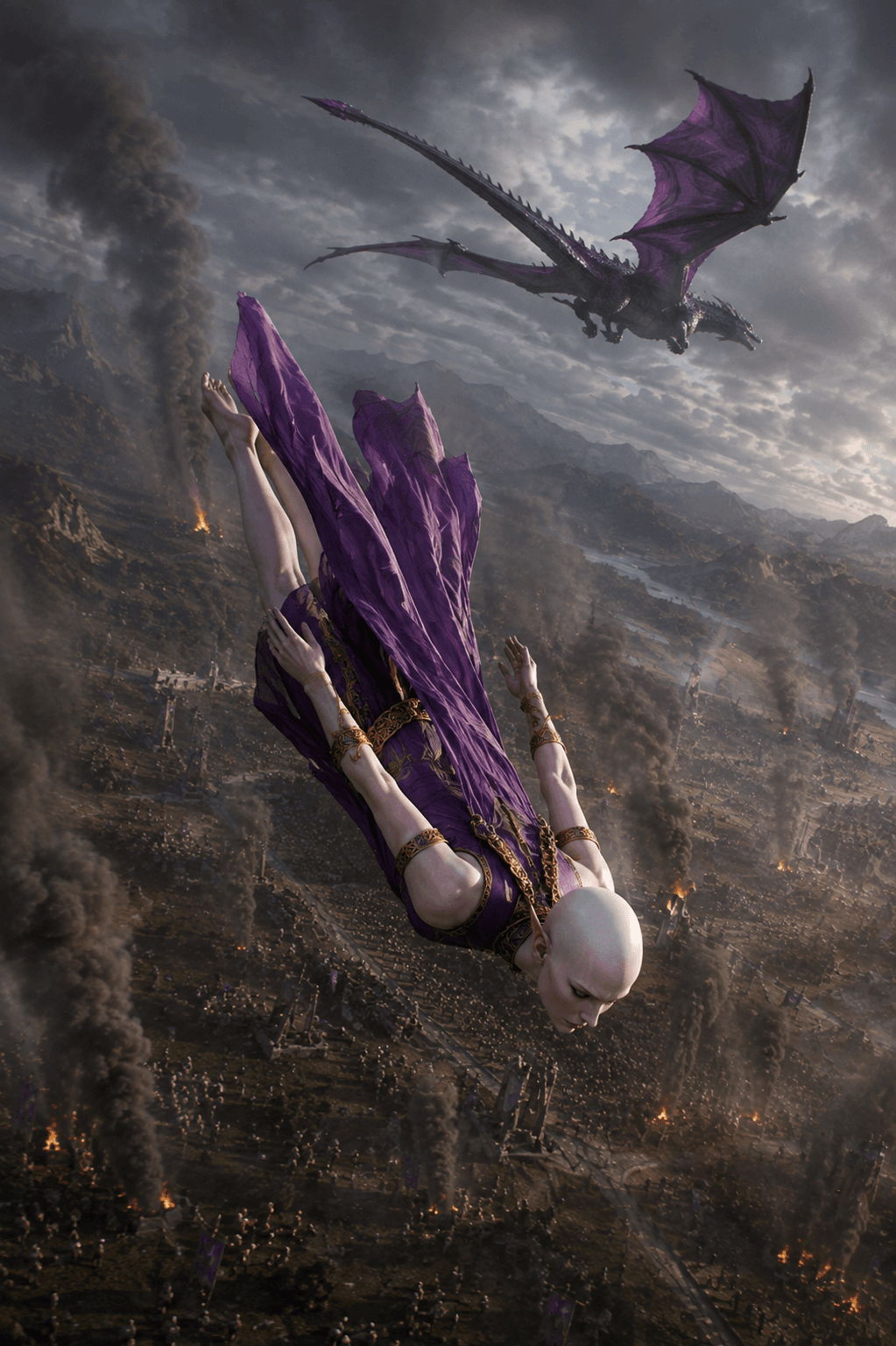
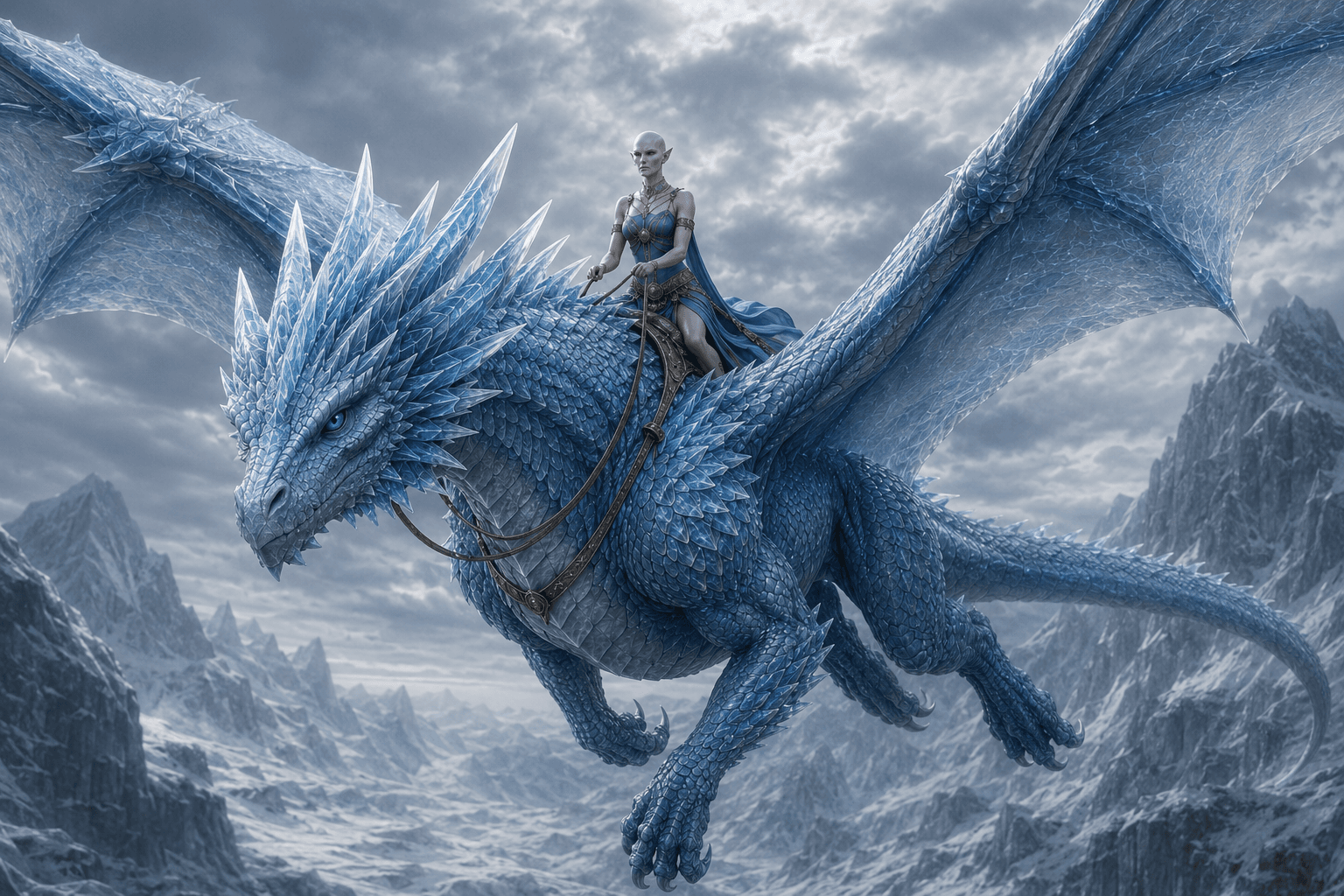
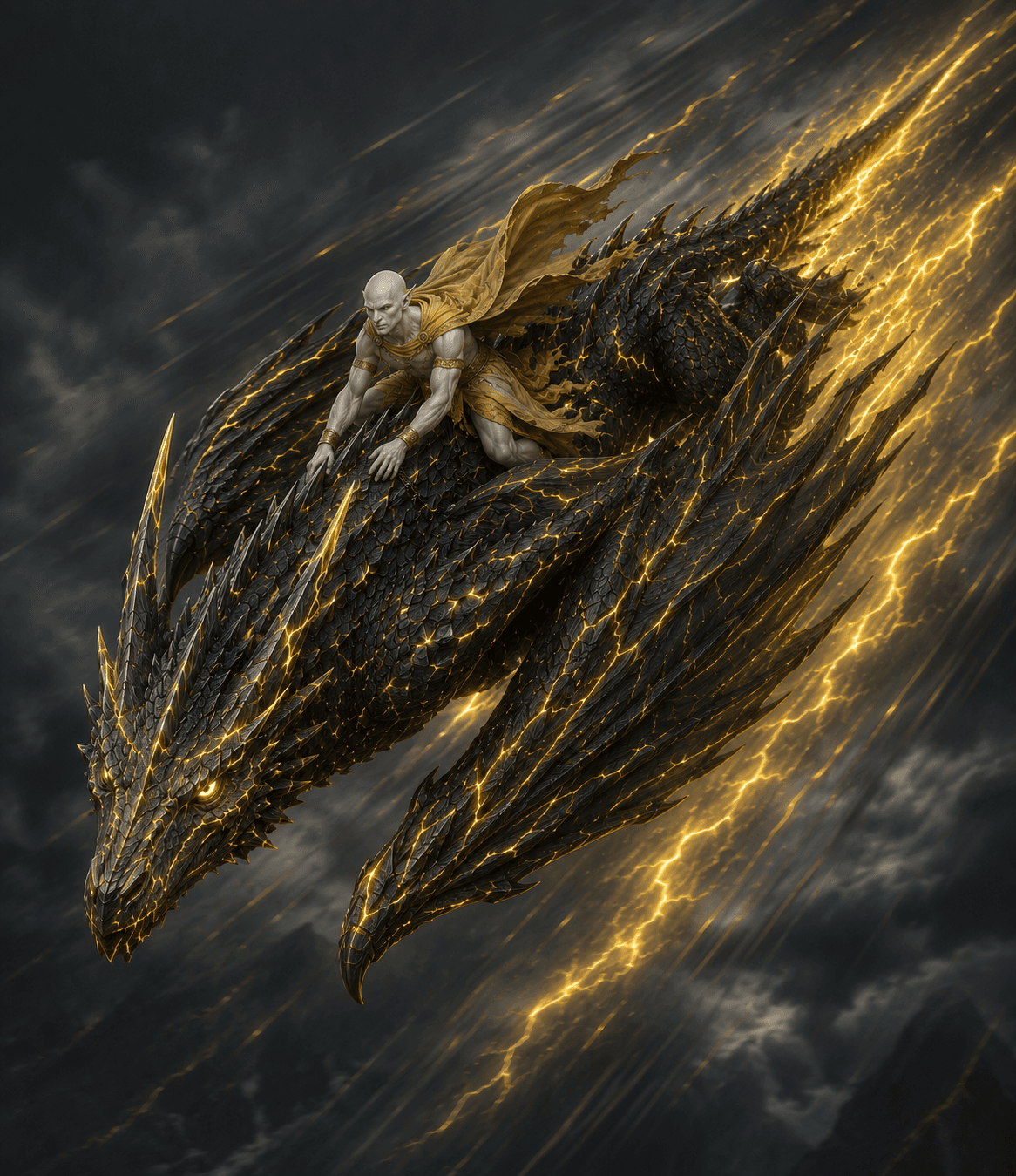
For many years, White Dragons remained the unfinished companions and rides of Wardens, eventually spreading to the wardens of every domain through trade or espionage. It was much later discovered that hatchlings raised from birth by a single Warden would imprint upon their guardian. Upon reaching maturity, such dragons permanently awakened into the Domain of the Warden who had raised them, becoming the first Elemental Dragons. Unlike their White Dragon ancestors, Elemental Dragons possessed unwavering loyalty to the Wardens of their awakened Domain, making them ideal companions, symbols of authority, and formidable partners in battle. Once this process became understood, every Warden civilization established breeding programs of its own. Dragons sharing the same Domain thereafter produced offspring already awakened into that Domain, while dragons of differing Domains invariably produced White Dragon offspring once again. Within a few generations the original White Dragons had become exceedingly rare, hunted for their unpredictability and continually absorbed into the growing elemental lineages through imprinting.
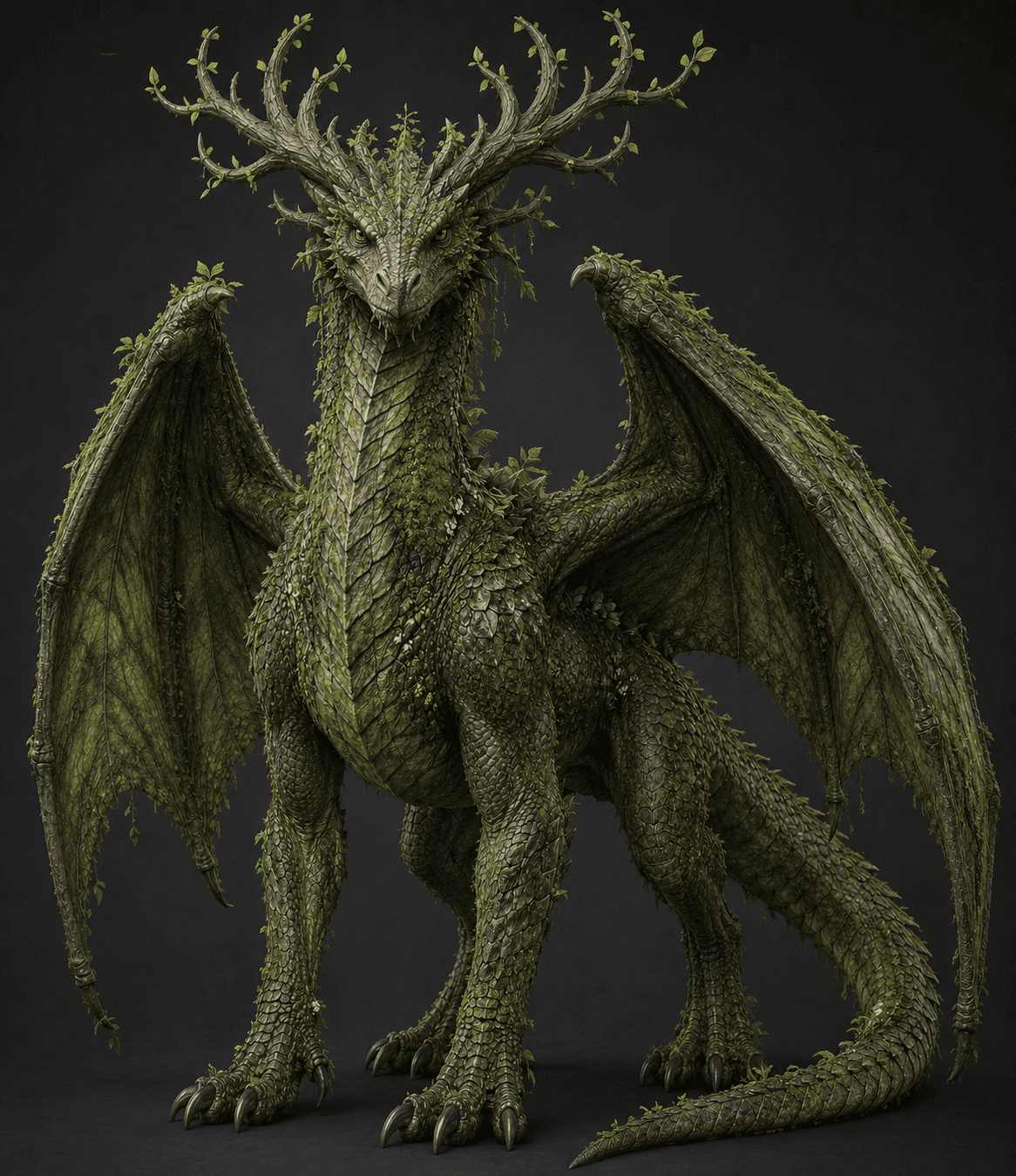
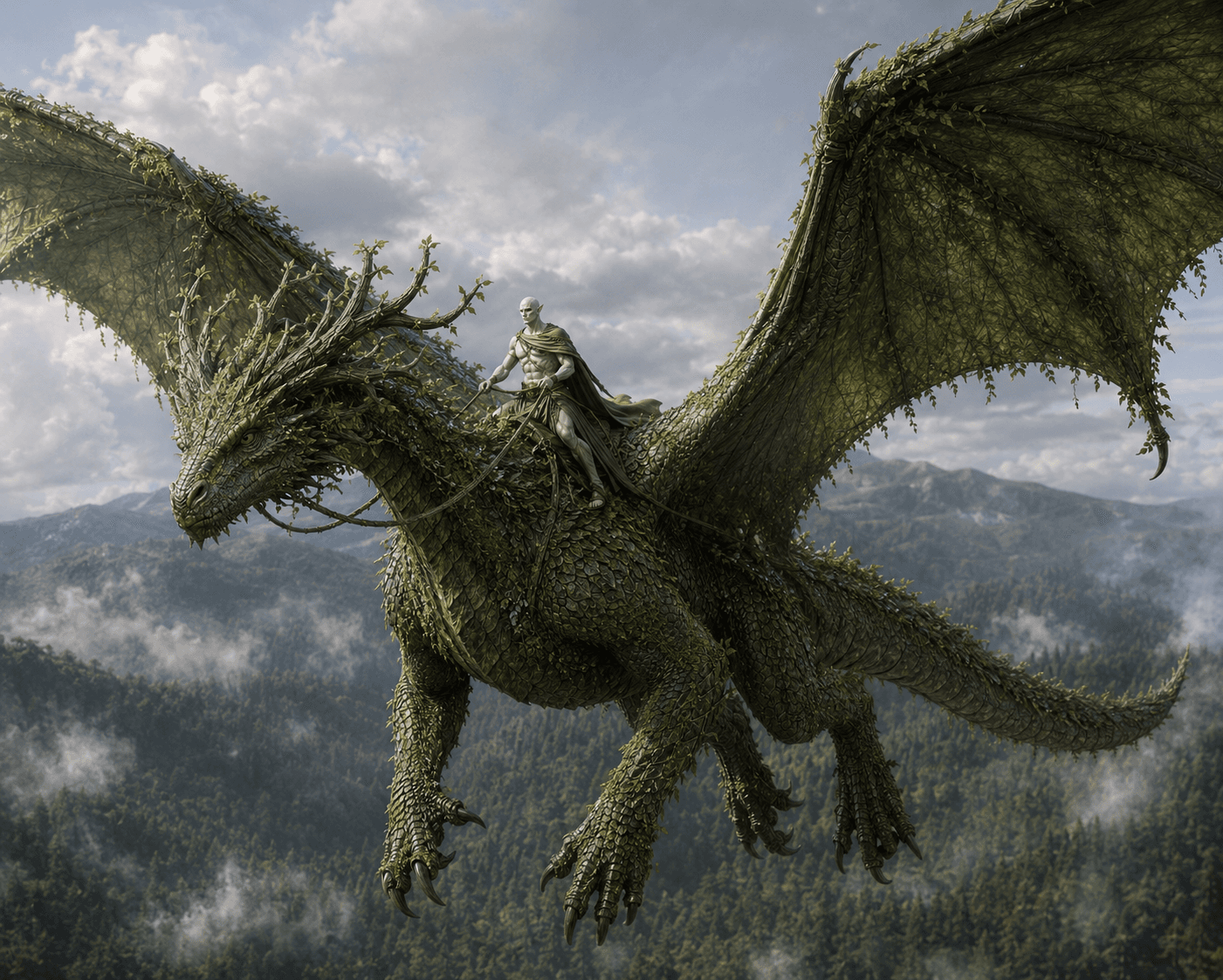
Bios dragons were majestic with bark-textured scales overgrown by moss, grasses, flowers, and vines. Leafy wing membranes and a body so overgrown it resembles a hillside when resting. Instead of horns, it bears massive branching antlers like an ancient tree, alive with new growth
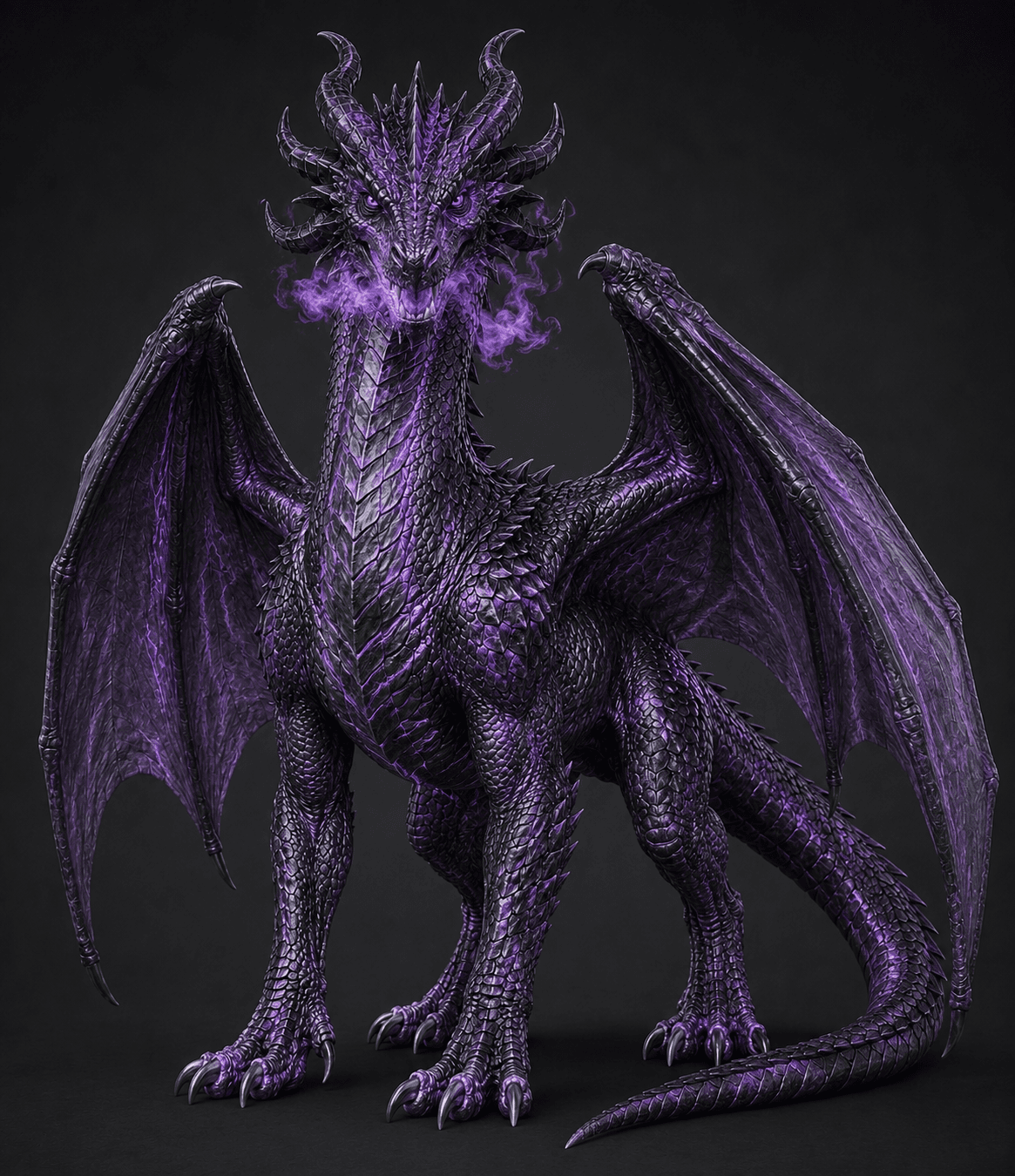
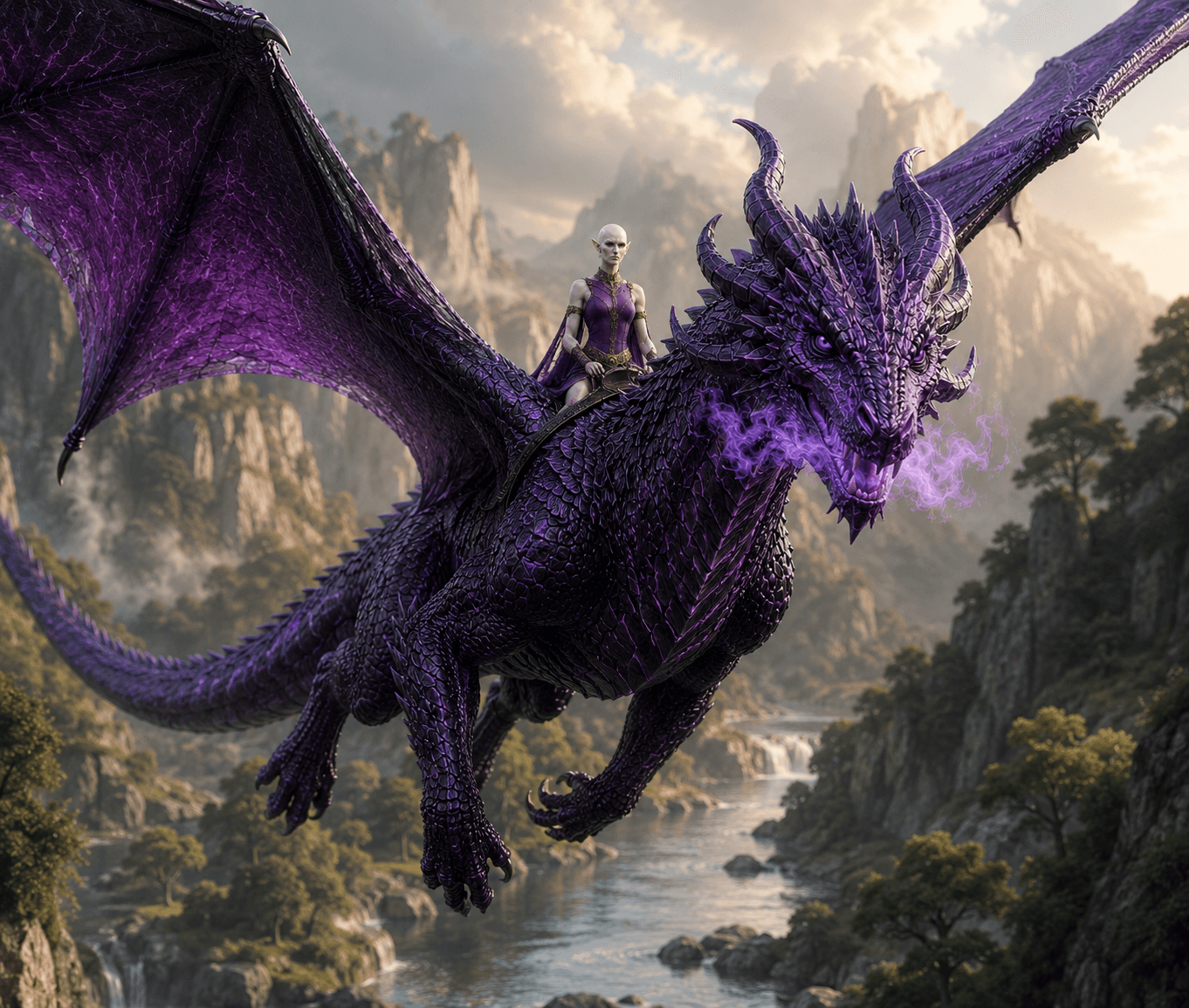
Entro dragons were sleek and predatory with glossy black scales laced by glowing violet veins. Purple acidic vapor leaks from its jaws, and its claws appear chemically etched. A crown of twisted obsidian horns curls in different directions while remaining symmetrical, giving it an unsettling, venomous appearance.
Geo dragons were broad, powerfully built, and armored with stone-like scales. Massive digging claws, sturdy wings capable of thunderous flight, and a hammer tail that made it a living battering ram. Short, thick, blunt horns, built for smashing through rock.
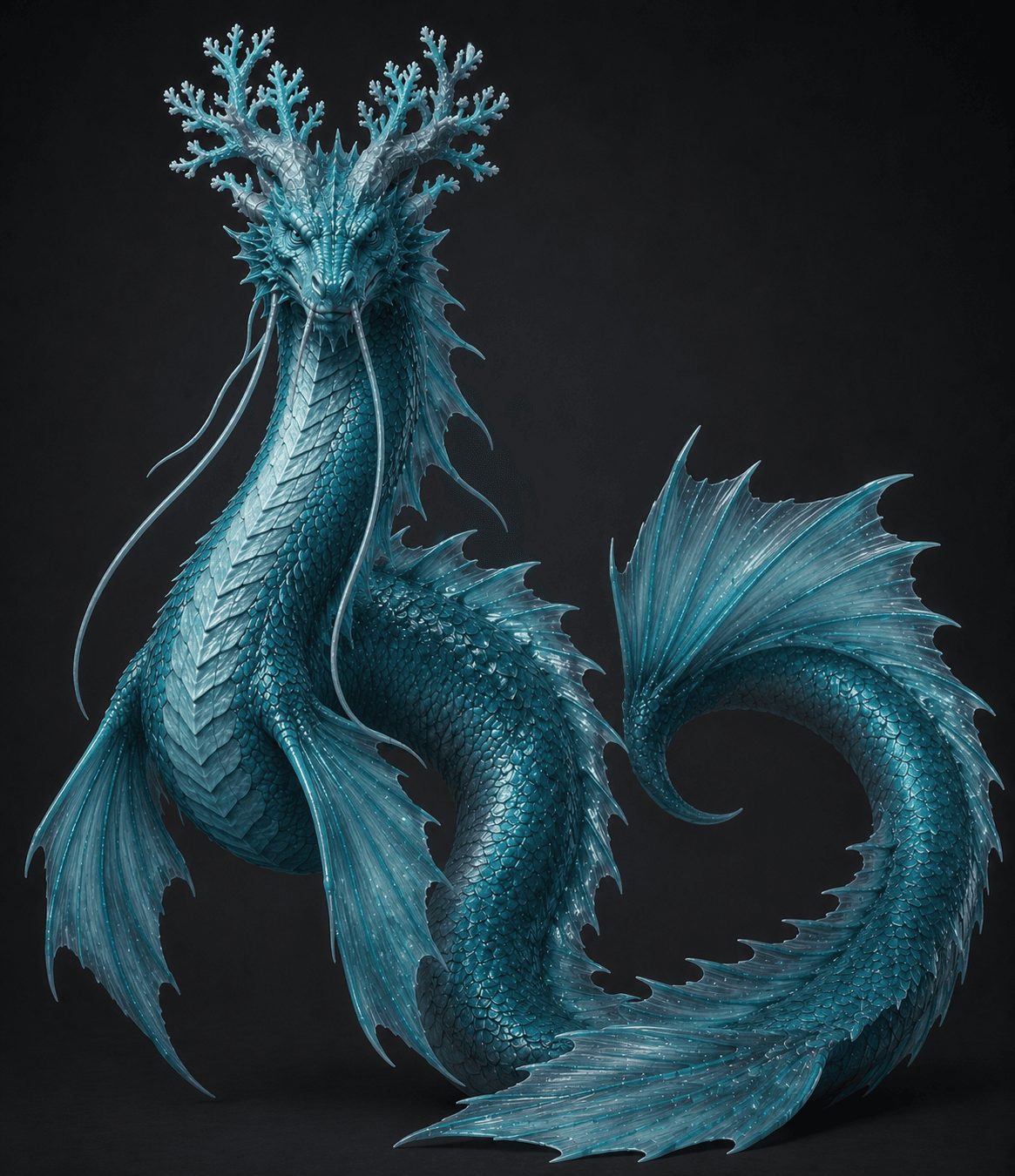
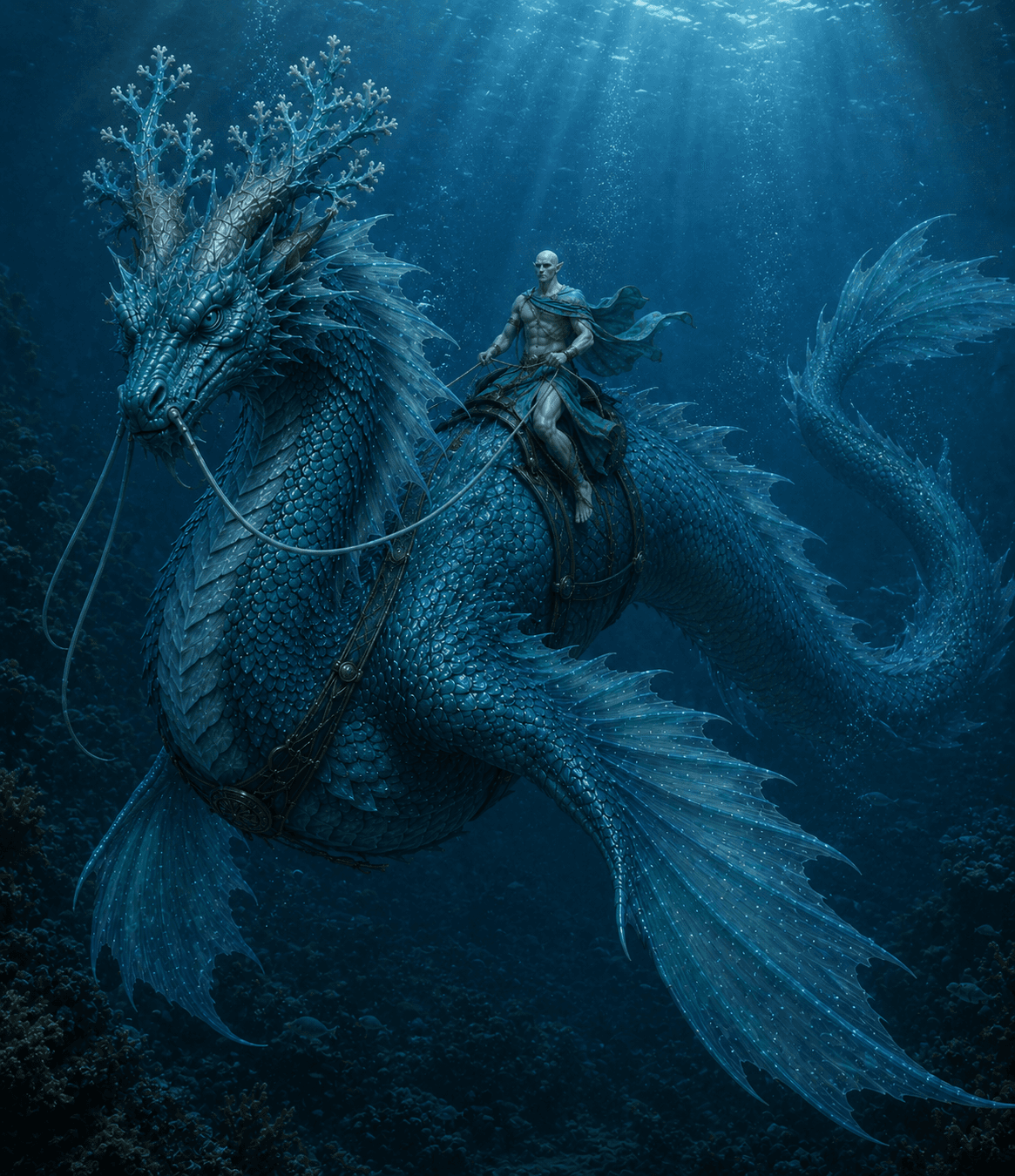
Hydro dragons were wingless sea serpents with enormous fins replacing wings and legs, smooth hydrodynamic scales, a paddle tail, and flowing whiskers. Sweeping coral-like horns branch backward in graceful curves, resembling living reefs shaped by ocean currents.
Aero dragons were elongated with enormous lightweight wings, a flowing mane, ribbon-like tail, and drifting whiskers. A fan of slender horns sweeps backward like a crest, emphasizing speed, grace, and constant motion.
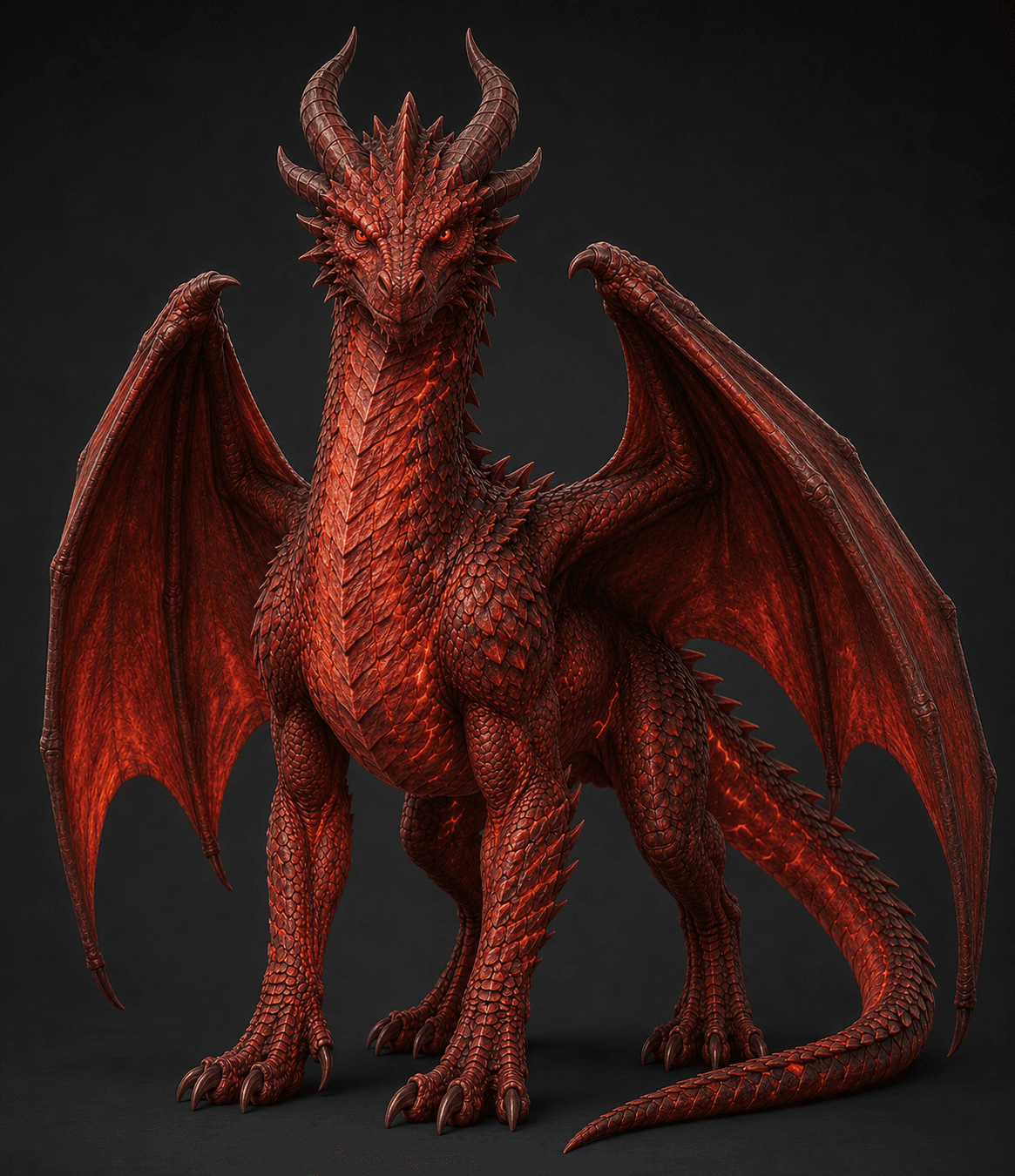
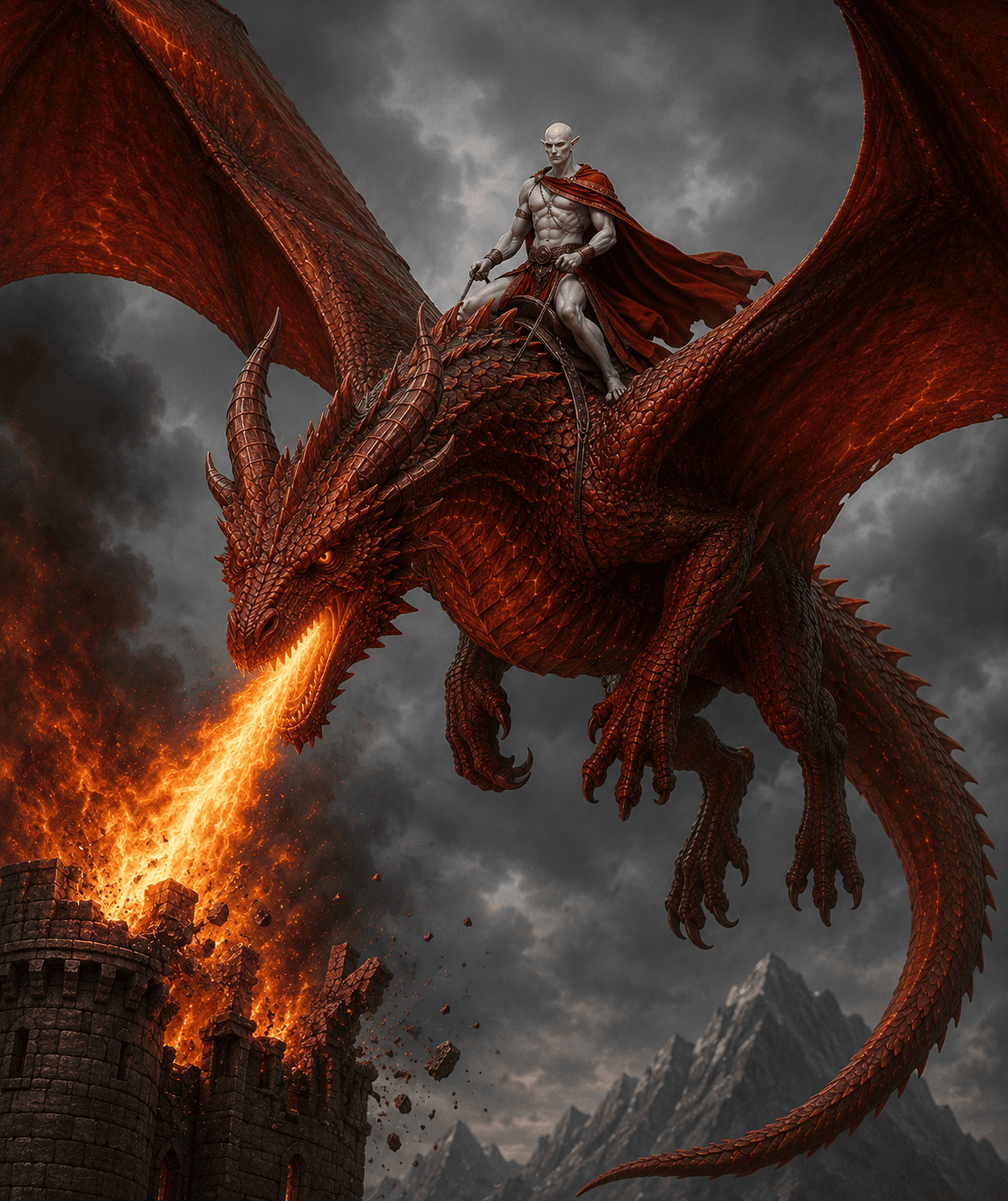
Ignis dragons were covered in thick crimson scales, had broad bat-like wings, a muscular body, and glowing ember-like vents between its scales. Two large backward-curving horns with two smaller support horns beneath them giving it an intimidating silhouette.
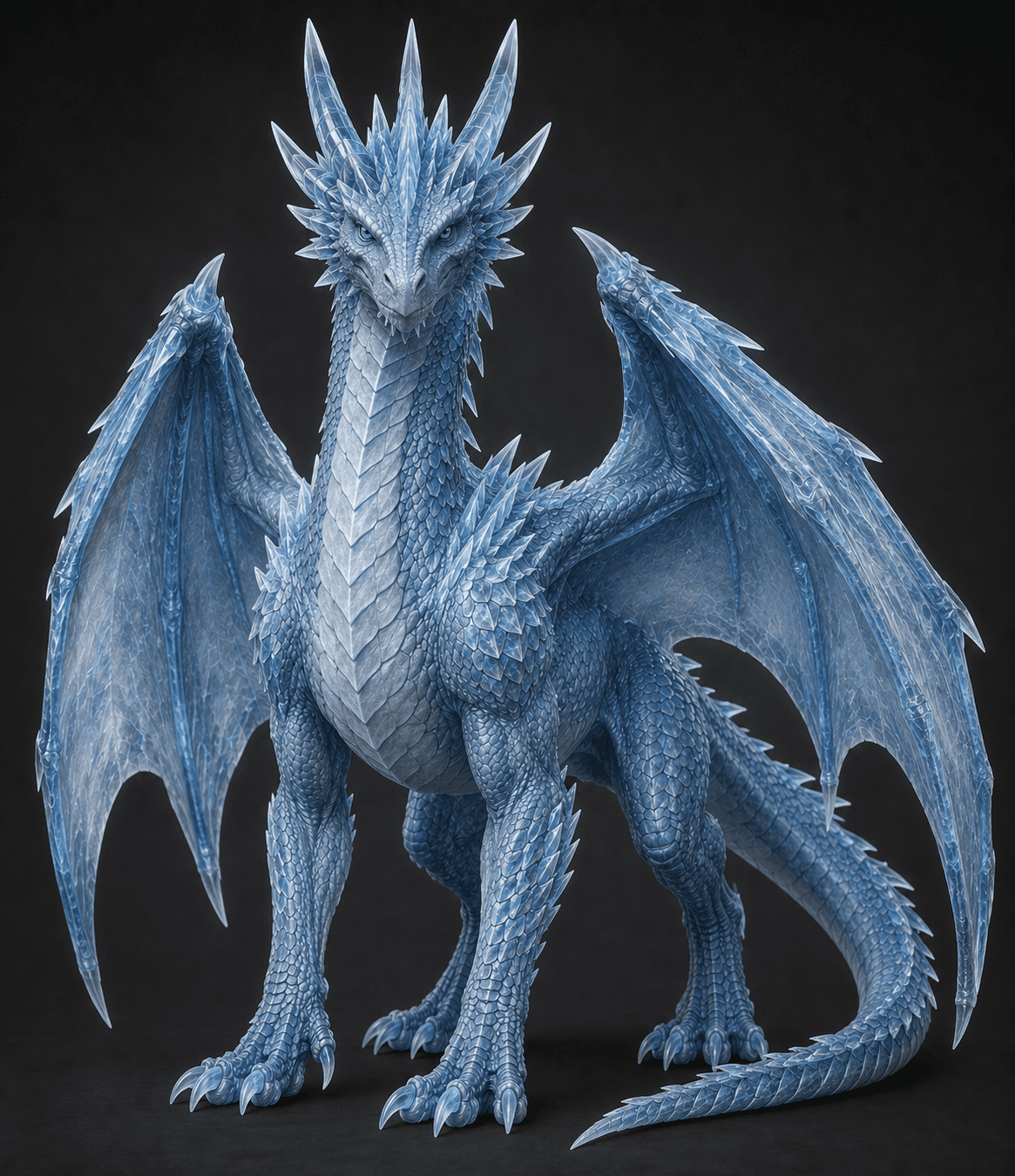
Kryo dragons were tall and elegant with crystalline scales, jagged icicle spines, and broad translucent wings that shimmer like frozen glass. Long crystal horns rise vertically before angling outward, forming a regal crown of ice.
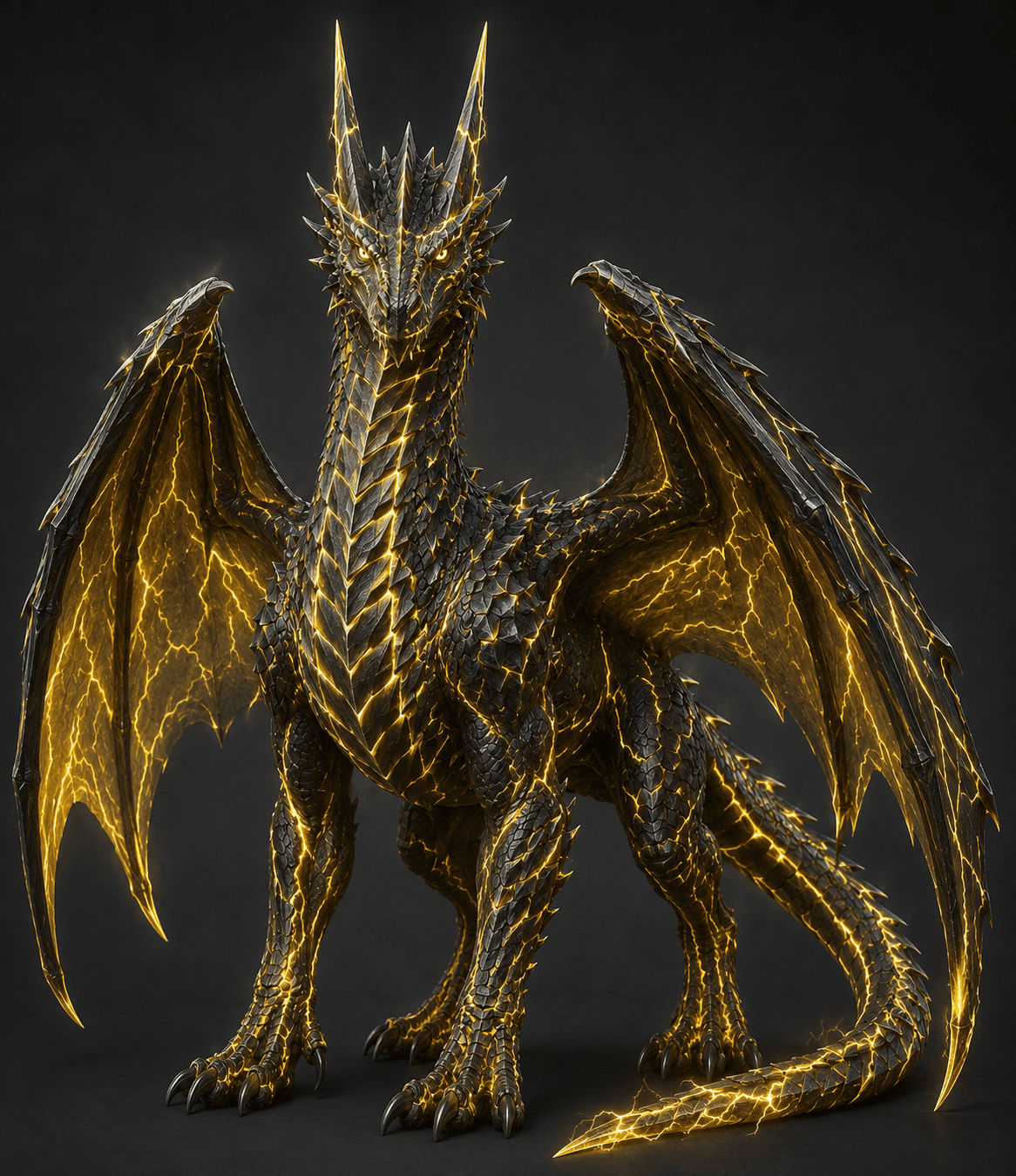
Lektro dragons were covered in jagged black metallic plate-like scales separated by glowing yellow seams. Long, blade-like wings and a whip-thin tail crackling with static. Two perfectly straight, spear-like horns, acted like living lightning rods.