Schools of Magic
Destruction
 | 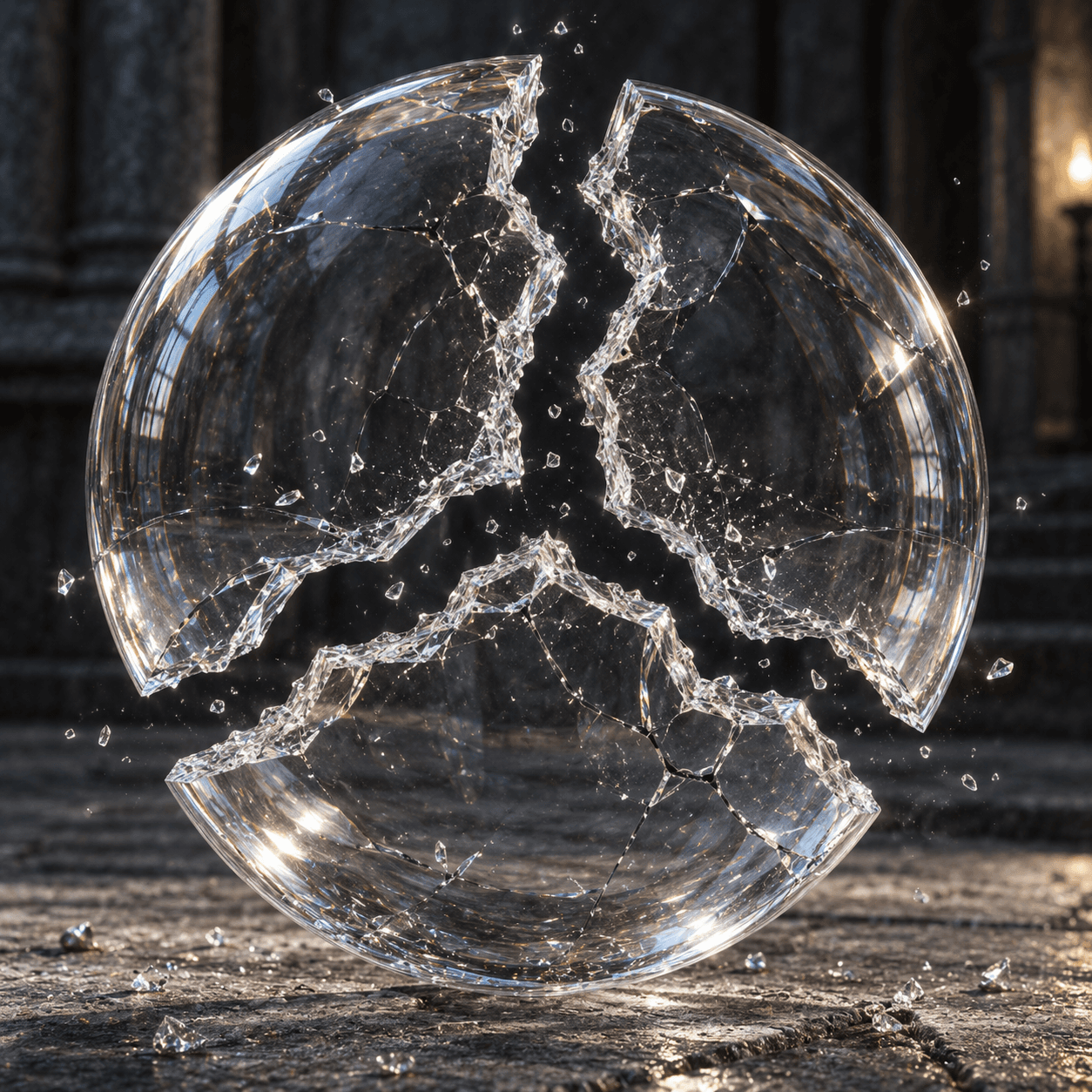 | The use of magic to break and destroy. Destruction concerns the deliberate application of magical power to inflict damage upon living beings, structures, or magical constructs. Every elemental Domain approaches destruction differently, but all pursue the same end. |
|---|---|---|
| Aligned with the Fire Domain |
Includes: Fire Bolt, Ice Spike, Electrocution, Air Blast, Thorn Whip, Hydro Jet, Rock Smash, Acid Splash
Alteration
 | 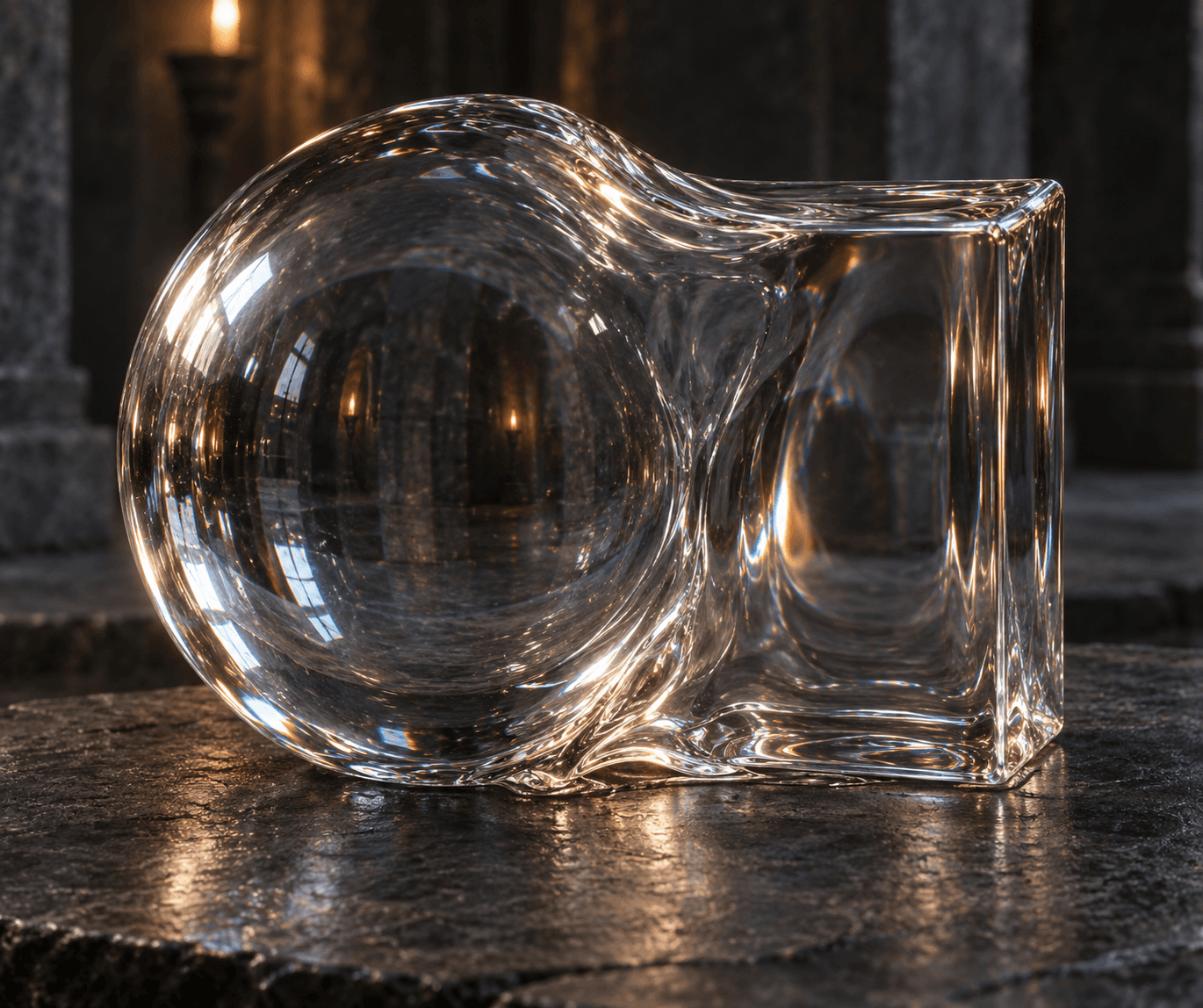 | The use of magic to reshape and move. Alteration concerns the manipulation of matter, energy, space, biology, and physical properties. Alteration mages reshape what already exists rather than creating something from nothing. Though the Lesser Rift of Transmutation underlies many Alteration techniques, practitioners also employ the elemental domains and the other Lesser Rifts when necessary. |
|---|---|---|
| Aligned with the Ground Domain |
Includes: Bioweaving, Shapeshifting, Terraforming, Gravity, Telekinesis - Warp travel (shrink + displace), Levitating, Molecular Reshaping (transmutation adjacent)
Enchanting
 | 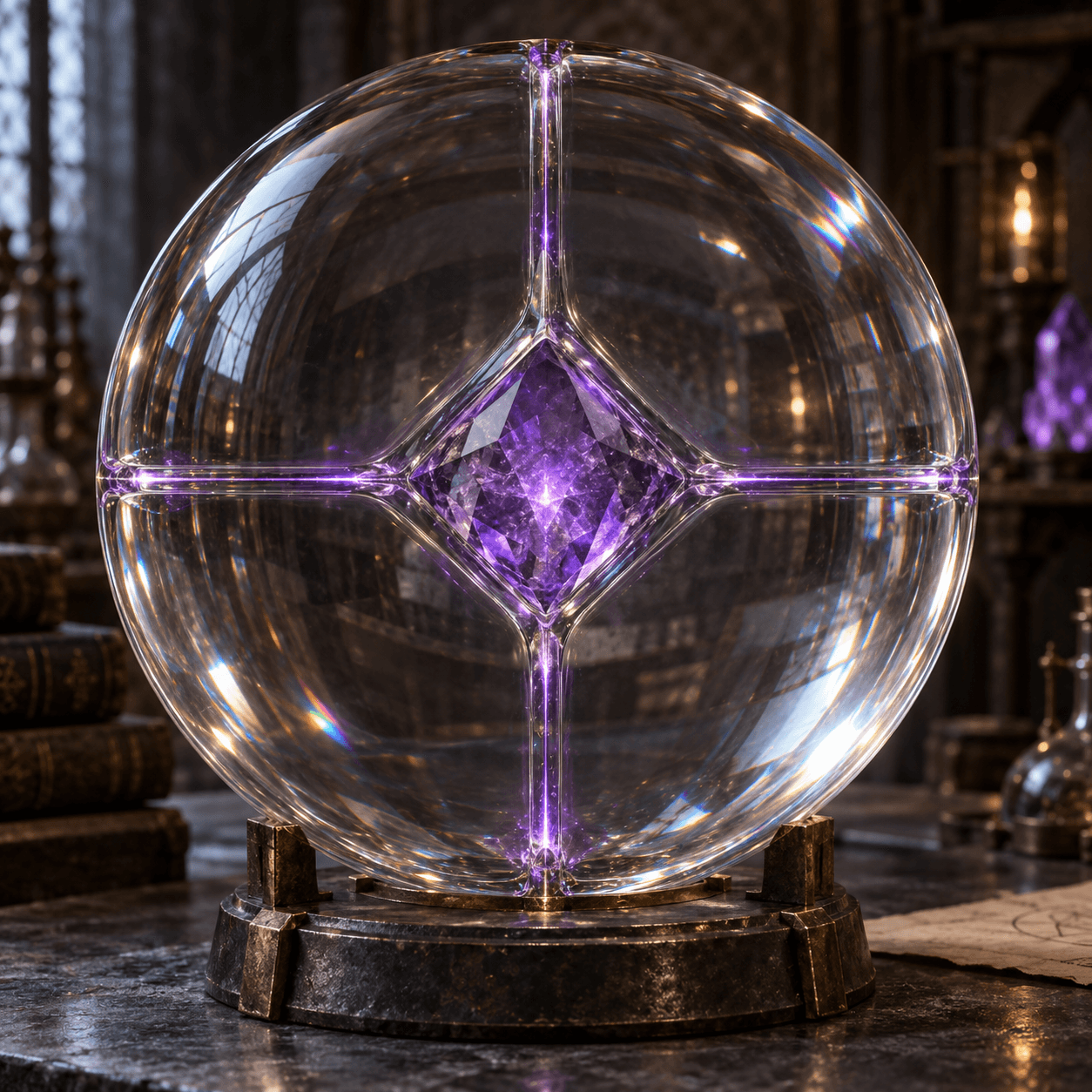 | The use of magic to imbue and empower. Enchanting binds magical effects into physical objects, structures, and materials. Unlike temporary spellcasting, enchanting seeks permanence, creating magical tools, weapons, armor, buildings, and Rift Crystal devices capable of functioning long after their creator has departed. |
|---|---|---|
| Aligned with the Electric Domain |
Includes: Magic weapons and armor, Runecraft, Rift Crystal refinement, Magical infrastructure and devices
Illusion
 | 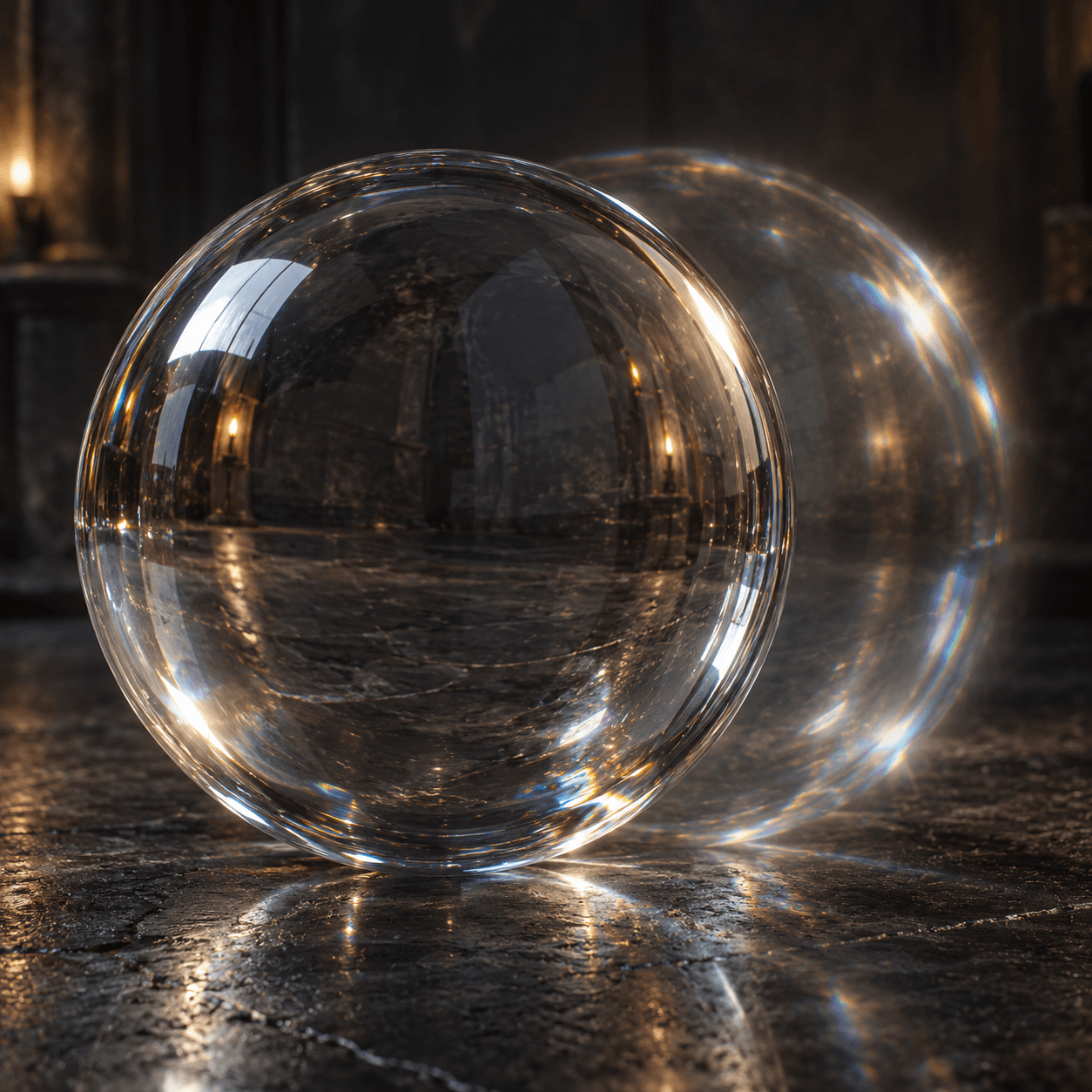 | The use of magic to perceive and deceive. Illusion manipulates how reality is perceived rather than reality itself. It governs deception, concealment, mental influence, and the acquisition of knowledge through magical perception. Because thought itself is central to the discipline, Illusion also encompasses telepathic communication and many forms of magical detection. Just because it's called illusion doesn't guarantee it's not real. |
|---|---|---|
| Aligned with the Life Domain |
Includes: Invisibility, Hallucinations, Telepathy, Emotional influence, Charm, Detection magic, Clairvoyance
Restoration
 | 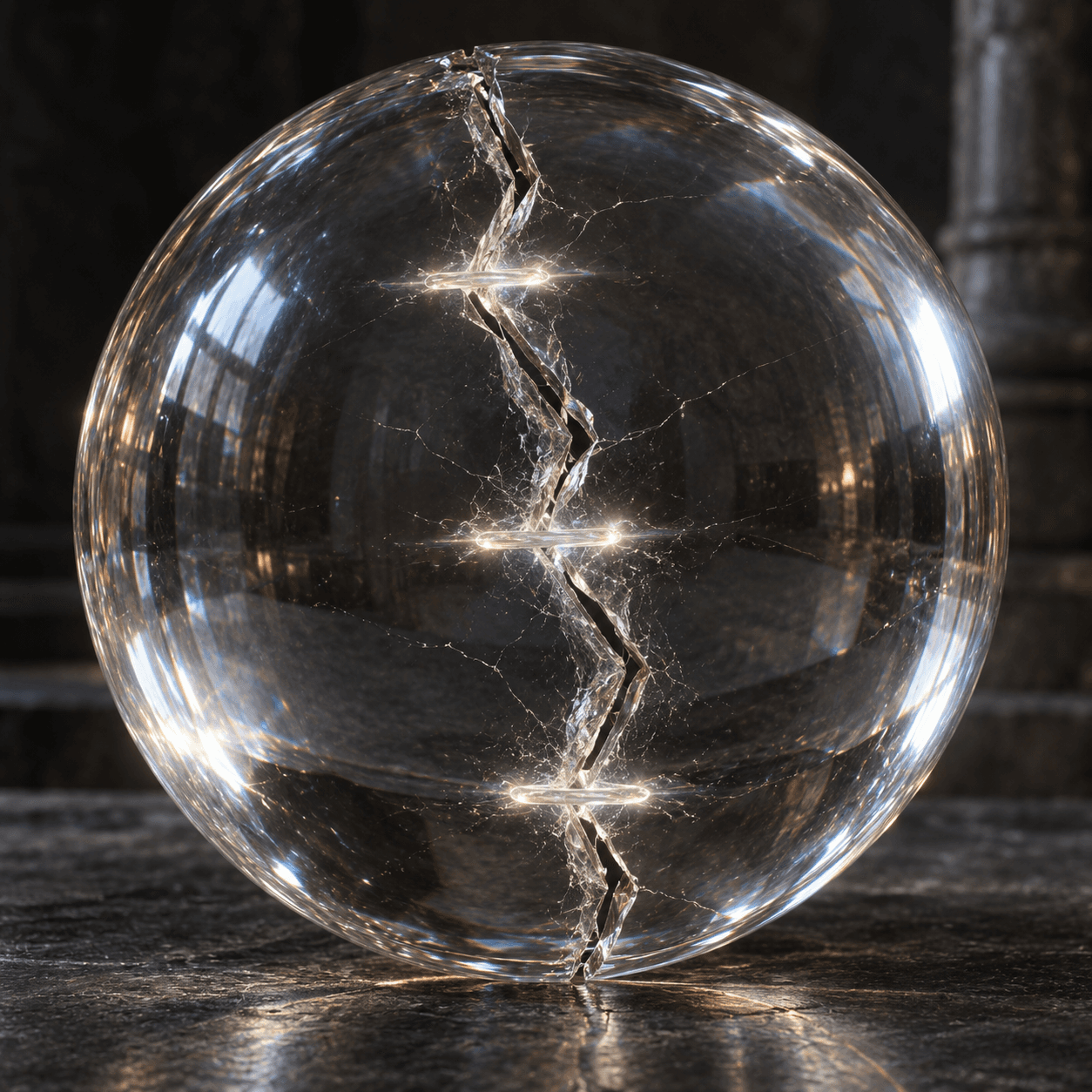 | The use of magic to restore and cleanse. Restoration returns living beings to their intended state. It heals injury, cures disease, removes corruption, and repairs magical or physical harm. Restoration does not merely restore health—it restores wholeness. |
|---|---|---|
| Aligned with the Water Domain |
Includes: Healing, Disease treatment, Poison removal, Regeneration, Curse removal, Fatigue recovery, Restoring senses
Protection
 | 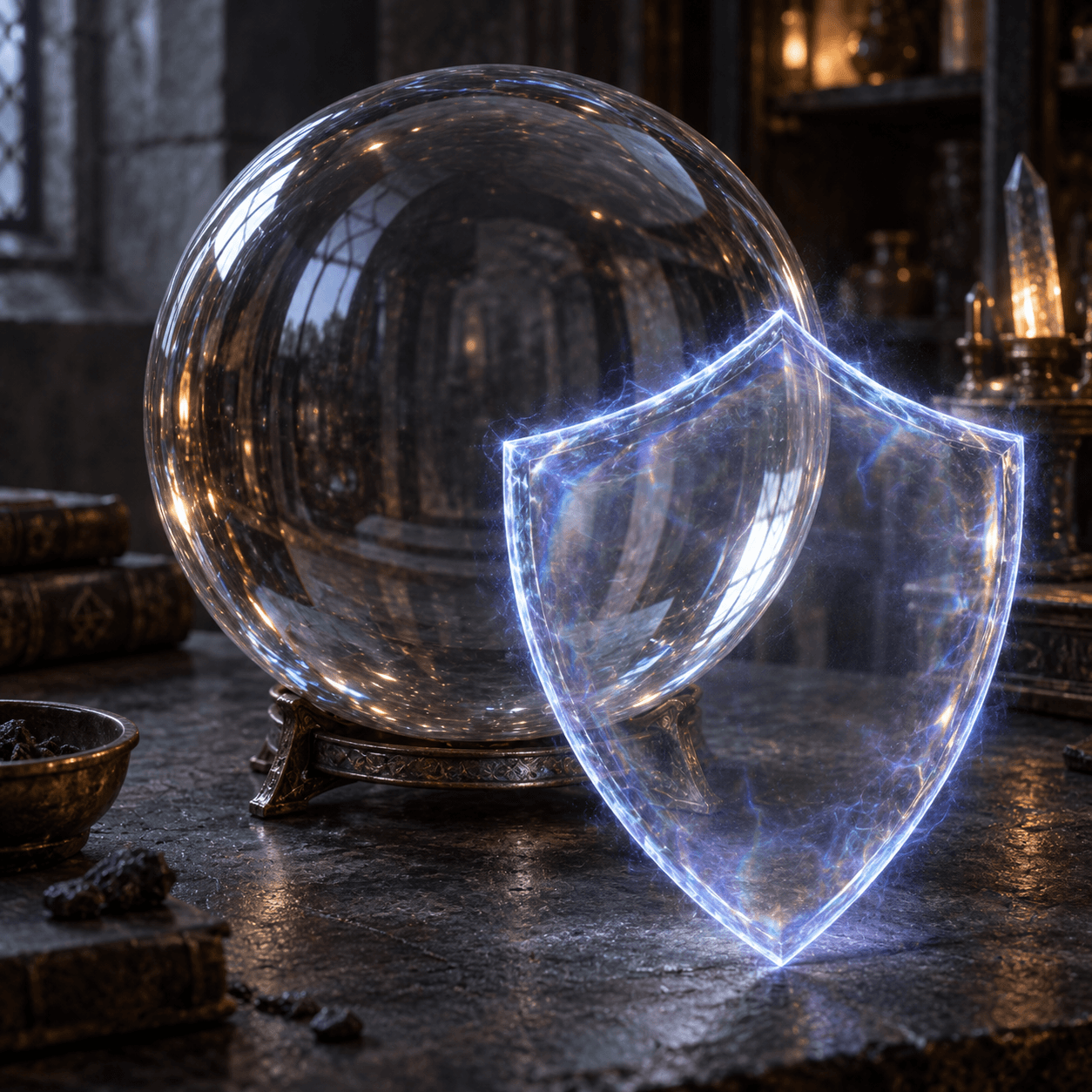 | The use of magic to defend and repel. Protection prevents harm before it occurs. Rather than repairing damage, it seeks to deny, weaken, or redirect hostile forces through barriers, wards, reinforcement, and magical resistance. |
|---|---|---|
| Aligned with the Ice Domain |
Includes: Wards, Magical barriers, Magical armor, Anti-magic, Spell suppression, Reinforcement magic
Conjuration
 | 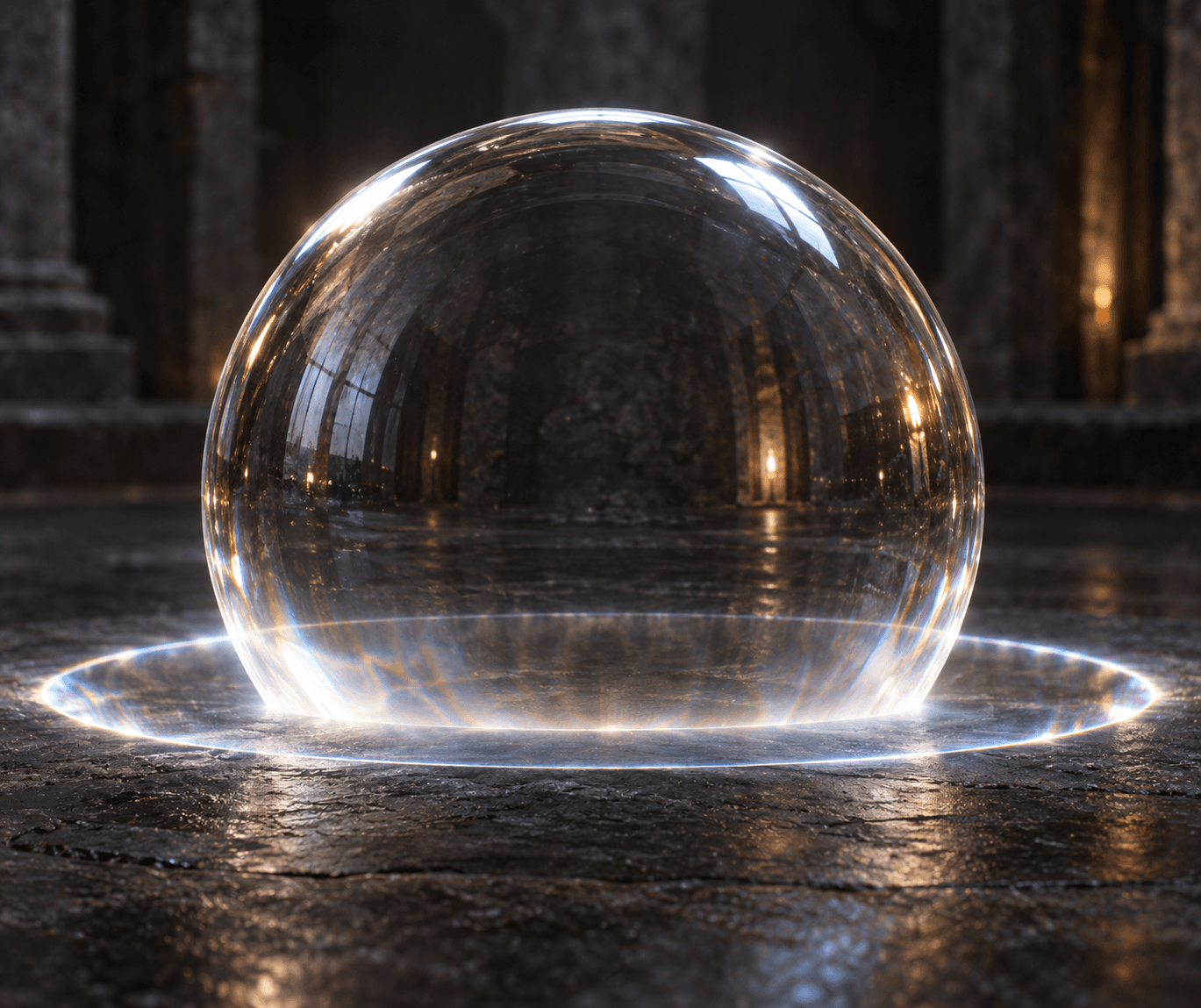 | The use of magic to summon and bind. Conjuration focuses on bringing beings, constructs, or magical entities into service. Whether temporarily summoned, permanently animated, or spiritually bound, a conjurer works with things that possess independent existence or magical identity. |
|---|---|---|
| Aligned with the Entropy Domain |
Includes: Summoning, Necromancy, Familiars, Spirit binding, Animated constructs, Magical servants, Temporary magical weapons and gear, Teleportation (self-summoning)
Alchemy
 | 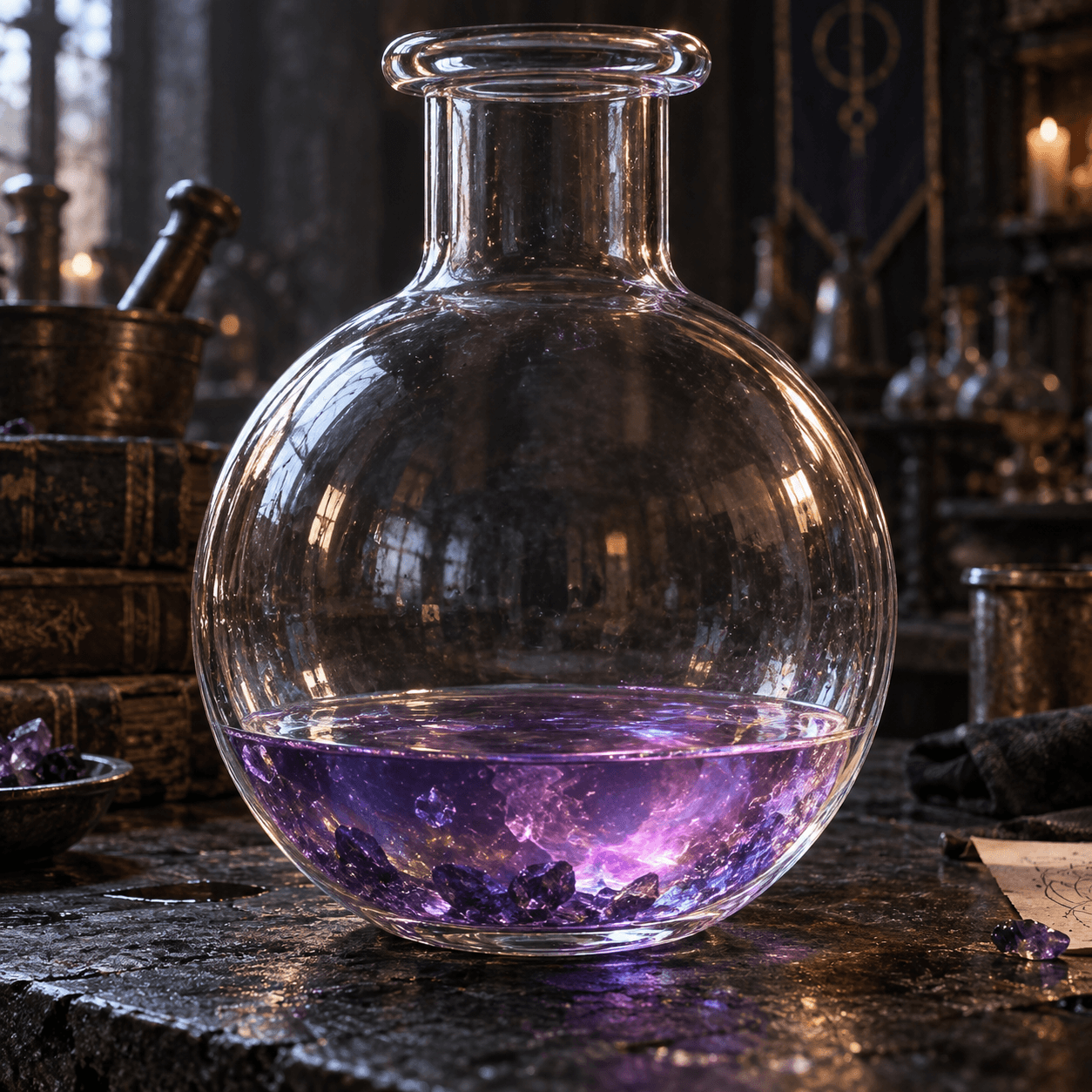 | The use of magic to refine and combine. Alchemy extracts, concentrates, refines, and combines the magical properties naturally present within living organisms, and minerals. Unlike Alteration, Alchemy does not reshape reality directly; it produces potions, reagents, catalysts, toxins, and magical compounds whose properties are released through careful preparation. |
|---|---|---|
| Aligned with the Air Domain |
Includes: Potion brewing, Magical chemistry, Distillation, Extraction of magical essences, Elixirs, Poisons
School Comparison
Destruction — Channels magical power to damage, dismantle, or annihilate living beings, objects, or structures. Alteration — Manipulates matter, space, energy, and biology by reshaping reality without creating or destroying it. Enchanting — Permanently imbues objects or structures using Rift Crystals with magical properties, effects and power. Illusion — Manipulates perception, thought, memory, and hidden knowledge through deception, telepathy, and detection. Restoration — Restores living beings by healing injuries, curing ailments, removing corruption, and repairing body or mind. Protection — Prevents or mitigates through magical barriers, wards, reinforcement, and suppressions. Conjuration — Summons, binds, animates, or manifests creatures, constructs, and magical entities into the world. Alchemy — Extracts, refines, and combines magical essences from natural materials to create potions or poisons.
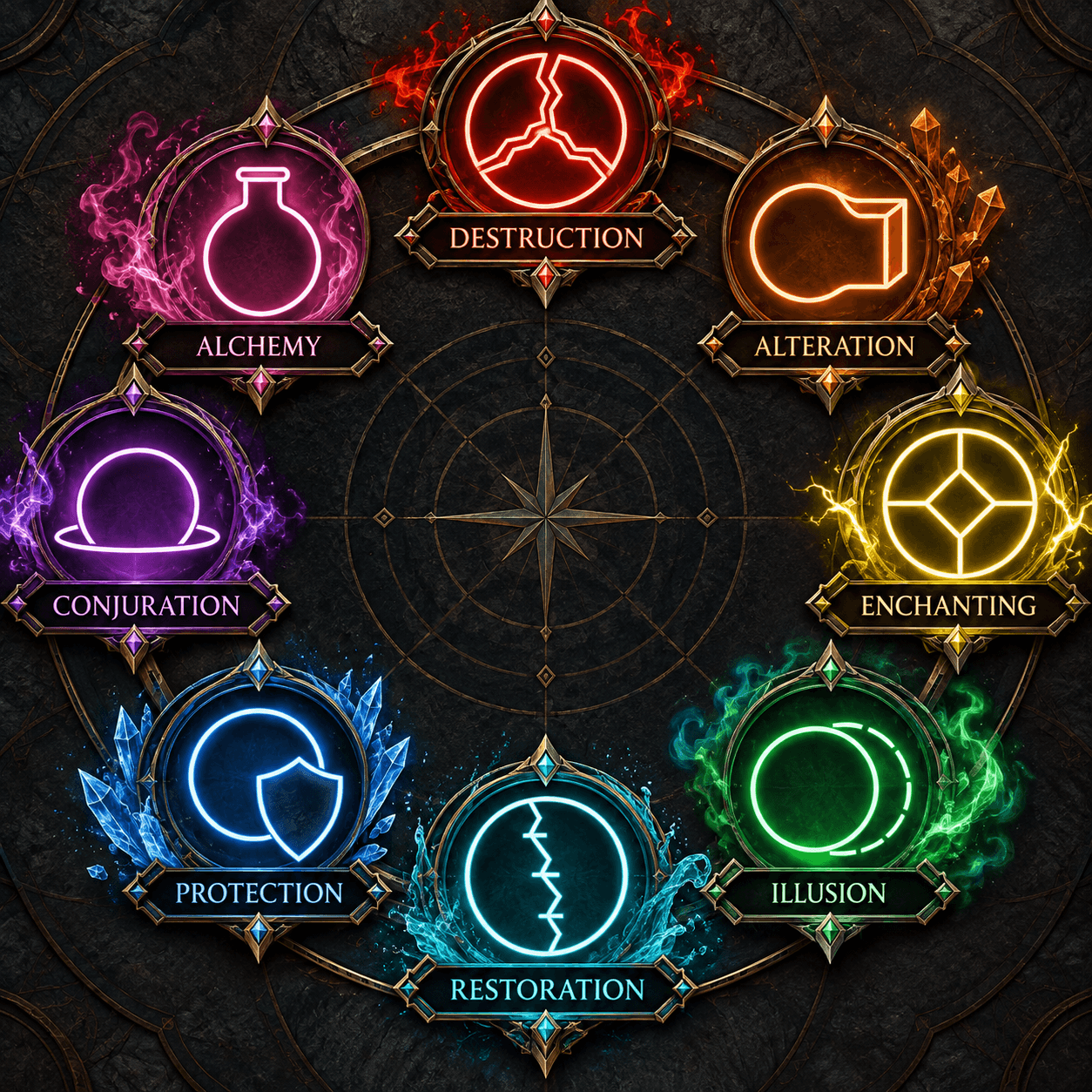
| Color | Domain | School | Nature | Study | Icon | Mage | Rogue |
|---|---|---|---|---|---|---|---|
| Red | Fire | Destruction | Passion & Strength | The use of magic to break and destroy | sphere broken apart | Warlock | Maledictor |
| Orange | Ground | Alteration | Delight & Prosperity | The use of magic to reshape and move | sphere changing form | Weaver | Sorcerer |
| Yellow | Electric | Enchanting | Nobility & Excellence | The use of magic to imbue and empower | Rift crystal empowering sphere | Arcanist | Binder |
| Green | Life | Illusion | Ascension & Ambition | The use of magic to perceive and deceive | false displaced sphere | Mystic | Mesmer |
| Teal | Water | Restoration | Empathy & Compassion | The use of magic to restore and cleanse | broken sphere reconnecting | Priest | Shaman |
| Blue | Ice | Protection | Dependability & Vigilance | The use of magic to defend and repel | sphere behind ward | Abjurer | Warder |
| Purple | Death | Conjuration | Stewardship & Knowledge | The use of magic to summon and bind | sphere manifesting from nothing | Summoner | Necromancer |
| Pink | Air | Alchemy | Peace & Self-Mastery | The use of magic to refine and combine | sphere incorporated into potion vessel | Alchemist | Witch |
Mages are any able to harness Rift energy and apply it as magic, regardless of culture, profession, or School. A battlemage describes any mage trained to apply magic directly in combat, a rogue mage is a practitioner operating outside accepted magical authority or law, and hedge mages are practitioners without formal magical education or credentials—often self-taught and highly experienced. These are distinct from societal classes, which describe occupations and traditions rather than Schools of Magic: Clerics commonly employ Restoration and Protection, Wizards Alteration, Destruction, and Conjuration, Oracles Restoration and Illusion, Druids Alteration and alchemy, while Bards and Paladins may likewise incorporate magic appropriate to their roles. Each faction is culturally associated with one primary class and also has a particular bent toward one School of Magic, but neither association is restrictive: a faction’s people may pursue other classes, study other Schools, or practice no magic at all. The traditional School titles describe what kind of magic a mage studies, while class describes what they do with it.
Mage Malpractice
Mage malpractice is the deliberate misuse of magic in a manner that disregards the innate value of mortal sapient life, particularly by inflicting needless or disproportionate suffering, permanent ruin, or degradation when the mage could reasonably accomplish their legitimate purpose without doing so. Those that cross this line are rogue mages.
Killing is not automatically malpractice. Suffering is not automatically malpractice. Even extremely destructive magic isn't automatically malpractice. War, defense, execution, dangerous magical work, and emergency medicine can all produce death and suffering. The question is whether the mage pursued unnecessary cruelty or treated a sapient person as merely a resource, object, experimental material, or mechanism for achieving another end.
| School | Line crossed | Mage malpractice |
|---|---|---|
| Destruction | Needlessly pursuing suffering over destruction. | Spending greater magical effort to inflict less decisive damage because the lesser injury causes greater suffering—blinding, prolonged burning, deliberate maiming, etc., when straightforward destruction would accomplish the legitimate purpose. |
| Alteration | Using controlled manipulation to torture or mutilate. | Exploiting telekinesis or reshaping for precise, prolonged bodily harm: crushing eyes, constricting throats, twisting joints, compressing organs, and similar abuses rather than accomplishing the necessary physical objective directly. Lycans emerged from this tradition. |
| Enchanting | Using sapient souls to empower Rift crystals. | Binding or consuming a sapient soul as a means of filling/empowering a Rift crystal rather than using accepted methods of charging it with Rift energy. |
| Illusion | Permanently damaging the mind. | Deception, suggestion, concealment, and temporary mental influence remain legitimate; deliberately causing insanity or permanently destroying cognition, memory, or personality does not. |
| Restoration | Making another suffer the cost of restoration. | Shamans transfer wounds, disease, exhaustion, or other afflictions from the person being restored into unwilling victims rather than actually repairing or cleansing the damage. |
| Protection | Using defensive magic to deliberately entrap or obstruct living beings. | Weaponizing barriers, wards, and suppression by placing them where obstruction itself causes harm—whether imprisoning someone behind an inescapable ward or creating an internal magical obstruction that causes progressive injury or death. |
| Conjuration | Disturbing or compelling the dead. | Necromancers summon, bind, retain, or compel the dead rather than allowing them to remain at rest and preserve the dignity of the deceased. Plaguethralls emerged from this tradition. |
| Alchemy | Using sapient ingredients or deliberately harmful exchanges. | Witches employ prohibited sapient-derived ingredients or create preparations whose apparent benefit conceals addiction, curses, corruption, dependency, or another serious cost. Vampirism emerged from this tradition. |
Plaguethralls — rogue Conjuration → Necromancy → magical plague/dead
Vampires — rogue Alchemy → Witchcraft → engineered Warden-blood condition
Lycans — rogue Alteration → Sorcery malpractice → engineered shapeshifting parasite
History of the Eight Schools of Magic
The Eight Schools of Magic were not founded together, nor were they invented by the domains that would later become associated with them. Magic existed first as scattered techniques: healing, warding, reshaping, summoning, enchanting, and other practices taught according to need and tradition. It was at Fairbarrow, home of the first great university, that these practices first began to be studied systematically. Over generations, scholars recognized that magic repeatedly fell into distinct kinds of operation. The familiar Eight Schools emerged gradually from that classification.
Alteration was among Fairbarrow's greatest early disciplines. Their settlements demanded enormous works of excavation, construction, and terraforming, although the land proved exceptionally resistant to terraforming. The Great Wells themselves were therefore largely excavated through immense physical labor, with Weavers assisting rather than simply carving them into existence. Their inability to effortlessly reshape Riftmoor also drove the School forward: telekinesis, levitation, matter manipulation, bioweaving, gravity, and eventually the warping of space all grew from attempts to understand exactly what could—and could not—be changed.
Enchanting likewise flourished at Fairbarrow, aided heavily by neighboring Lekaris arcanists and the Empire's demand for magical infrastructure. Arcanists learned to imbue objects and crystals with stored magical power, and the discipline became indispensable to Imperial technology. Morvaren later developed an advanced Enchanting tradition of its own, benefiting from the extraordinary Rift-crystal veins surrounding its mountain settlements. It was there that some explored the forbidden shortcut of using sapient souls as sources of power. Such practitioners became known as Binders.
Restoration began as another major Fairbarrow discipline, strongly associated with the Water domain. During the Great Siege, the people who split from Fairbarrow and became Haventide carried that tradition with them. Restoration remained at the old university, but Haventide became its great center, producing renowned Priests, Clerics, and healers whose effect extended even into the Azure Guard. Restoration survived differently within the Alliance: genuine Wood Elf healers worked beside Dark Elf mages with practical Restoration training and Goblin Shamans, whose willingness to transfer wounds, disease, and suffering between people represented one of the School's oldest forbidden methods.
Conjuration traveled in almost the opposite direction. Early instruction remained at Fairbarrow, but Morvaren carried the discipline into their high observational settlements overlooking the Rift Scar. Surrounded by Rift crystal, strange mineral veins, Decay phenomena, and one of the best places in Riftmoor from which to study the Scar itself, Morvaren transformed Conjuration into a sophisticated academic field. Fairbarrow's Conjuration faculty consequently became the lesser of the two traditions. Morvaren produced some of Riftmoor's finest Summoners—and, inevitably, many of its Necromancers, who crossed the School's great prohibition by refusing to leave the dead alone.
Illusion appears to have emerged most clearly through contact between Naja and Morvaren. The resulting School of Mystics eventually spread into the Empire as well, where spies, scouts, diplomats, rogues, and intelligence services found immediate uses for deception, concealment, telepathy, and the manipulation of perception. It became enormously important without ever dominating Fairbarrow in the manner of Alteration. The Keepers later developed their own distinctive tradition through their Oracles, combining Illusion's pursuit of hidden truth with Restoration's ability to cleanse what they discovered.
Destruction and Protection never truly belonged to one people. Once formal mage training existed, both became staples of virtually every serious magical institution: the basic offensive and defensive toolkit of the battlemage. Destruction therefore developed numerous competing traditions rather than a single acknowledged center, not even the destructive Bloodhorn could claim it; their culture produced relatively few formally trained mages anyway. Protection found a particularly prestigious home among the Azure Guard, whose Paladins and defensive military traditions encouraged exceptional Abjurers. Haventide developed another remarkable branch of the School, incorporating wards into underwater engineering to maintain habitable, air-filled environments for peoples unable to live permanently submerged.
Alchemy was practiced wherever civilization required medicines or refined substances and Alchemists became staples in all major cities—including Fairbarrow. Its greatest formal traditions, however, developed among the Vah-Yu. Their scholars also became unusually accomplished Weavers, particularly in telekinesis, which suited their Air-oriented culture. Far below their great centers, the Vah-Yu's nomadic margins became something else entirely. Here Alchemists mingled with Naja traditions and, through them, the hidden influence of the Mantle; in the opposite direction lay Bloodhorn territory, where Goblins with relatively little access to formal magical institutions proved particularly receptive to techniques promising immediate results. These borderlands became fertile ground for Witchcraft and Shamanism—Alchemy and Restoration practiced without the oversight or ethical restraints of the great universities.
Those fringes ultimately became important to another society. The Pack, and eventually Old Fang himself, inherited a world in which illicit magical experimentation could survive outside institutional control. Druids already were renowned for their Alteration and Alchemy, particularly in their mastery of living systems and shapeshifting. From those traditions arose Sorcerers willing to take Alteration beyond accepted limits. Their work eventually produced the Lycan technique: advanced shapeshifting made self-sustaining through a transmissible parasitic bond. Lycanthropy thus became one of Riftmoor's great products of rogue magecraft, alongside vampirism from Witchcraft and the Plaguethralls of Necromancy.
By the later ages, therefore, no map of the Eight Schools matches the political map of Riftmoor. Fairbarrow gave magical study its academic foundation; Morvaren pushed Conjuration and Enchanting toward their furthest boundaries; Haventide mastered Restoration; Vah-Yu retained Alchemy; Azure Guard perfected Protection; Naja unlocked Illusion; Lekaris drove Enchanting forward; and the borderlands preserved practices the universities rejected. Destruction and Protection traveled wherever trained mages went, while every School accumulated local traditions, rival faculties, hedge practitioners, and eventually its own forms of malpractice. The Eight Schools were never eight institutions. They were eight patterns that Riftmoor's mages gradually discovered in magic—and then carried, divided, corrupted, and reinvented wherever history took them.
Life → Illusion "You literally can't find their capital." Concealment. The forest decides what you are allowed to perceive.
And Arzu… He genuinely believed the illusion. His greatest illusion… Was himself.
